
Child Safety in High-Rise Homes: Inquest Reveals Preventable Tragedy
Inquest examines how a five-year-old autistic boy fell from a 15th-floor London window, revealing inadequate safety measures in residential housing.
Tragic Death Highlights Housing Safety Concerns
An inquest into the death of Aalim Ahmed, a five-year-old boy with autism, has revealed that high-rise safety measures could have prevented his fatal fall from a 15th-floor apartment in east London. The legal proceedings exposed critical gaps in residential housing safety protocols that may have contributed to this devastating incident on May 16, 2024.
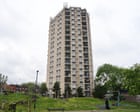
Aalim fell from a kitchen window at a residential tower block in Plaistow where his family was residing in temporary social housing. His father, Makail Ahmed, discovered the child's body shortly before 6 a.m. that morning, marking the beginning of an investigation that would later uncover systemic failures in building safety measures.
Inadequate Safety Protocols in Temporary Accommodation
The inquest proceedings revealed that the temporary social housing flat lacked sufficient safety features that could have prevented the tragedy. The family had previously requested to be relocated from the tower block, indicating their concerns about living conditions and potential hazards associated with the high-rise accommodation.
Testimony during the inquest demonstrated that additional safeguards could have been implemented to protect vulnerable residents, particularly children. These high-rise safety measures might have included window restrictors, protective barriers, or improved supervision systems designed to prevent access to dangerous areas.
Questions Surrounding Housing Standards
The case raises significant questions about residential housing safety standards in temporary accommodation facilities. Local authorities and housing providers face mounting scrutiny regarding their duty of care toward families placed in such temporary arrangements, especially those with young children or individuals with additional needs.
The inquest heard evidence suggesting that the apartment in question did not meet best practices for child-proofing or fall prevention. Safety experts who testified indicated that installing window locks or safety bars could have been effective deterrents, yet these measures were not in place at the time of the incident.
Autism and Vulnerability in High-Rise Living
Aalim's autism presented additional challenges regarding his safety within the residential environment. Children with autism spectrum disorder may not perceive danger in the same way as neurotypical children, making them more vulnerable to accidents involving heights or hazardous situations.
The inquest highlighted the need for specialized safety considerations when placing families with autistic children in temporary social housing. Housing providers should implement tailored safety protocols that account for the specific needs and behaviors of vulnerable family members.
Systemic Failures in Housing Provision
The tragic outcome of this case underscores broader systemic issues within temporary social housing provision. Families experiencing housing insecurity are often placed in accommodation that falls below optimal safety standards, creating unnecessary risks for residents.
The family's previous requests for relocation suggest they were aware of potential dangers within the tower block. That their concerns were not adequately addressed or acted upon represents a significant failure in the housing allocation and management systems.
Legal Implications and Future Prevention
The inquest's findings carry important implications for how local councils and housing authorities manage temporary accommodations. Recommendations emerging from the investigation may result in revised safety standards and improved protocols for high-rise residential buildings.
Authorities responsible for temporary social housing must now reassess their current safety measures and consider implementing mandatory safety features in all residential units, particularly those housing families with young children or vulnerable individuals.
A Call for Comprehensive Housing Reform
This heartbreaking case serves as a catalyst for examining and improving residential housing safety across all sectors. The death of Aalim Ahmed represents not merely an individual tragedy but highlights systemic vulnerabilities that require comprehensive reform.
Moving forward, stakeholders in housing provision must prioritize child safety and implement rigorous standards ensuring that all temporary accommodation meets or exceeds established safety benchmarks. Only through such measures can preventable tragedies like Aalim's death be avoided in the future.