
Colombia's Presidential Race Hinges on Armed Gangs Dialogue Policy
Colombia's presidential election centers on how to address brutal internal conflict. A left-wing senator backs talks with armed gangs while Trump-endorsed outsi...
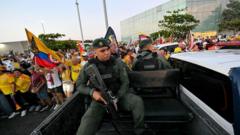
Colombia's Pivotal Election: Armed Gangs and National Security at Stake
Colombia's presidential election has become a critical referendum on how the nation should address its escalating internal conflict, with Colombia's presidential race featuring starkly different approaches to managing armed gangs that plague the country. The upcoming vote represents a fundamental choice between diplomatic engagement and more aggressive security strategies, as voters grapple with persistent violence that continues to destabilize communities across the nation.
The Left-Wing Candidate's Controversial Gang Dialogue Platform
A prominent left-wing senator has emerged as a leading candidate by championing direct talks with armed gangs as a pathway toward resolving the nation's brutal internal conflict. This politician argues that dialogue represents the only viable route to achieving lasting peace, advocating for negotiation-based solutions to address the root causes of gang violence and territorial disputes.
The senator's position reflects a broader leftist ideology emphasizing social inclusion and addressing grievances that fuel criminal organizations. Supporters contend that diplomatic engagement could reduce bloodshed and create sustainable peace agreements. Critics, however, worry that such approaches might legitimize criminal networks and undermine institutional authority.
Trump-Endorsed Outsider's Security-First Approach
Representing the opposing viewpoint stands a political outsider who has garnered endorsement from former U.S. President Donald Trump. This candidate advocates for hardline security measures and strengthened law enforcement operations against armed gangs. The Trump-backed contender emphasizes restoring state control in gang-dominated regions and implementing stricter criminal justice policies.
This candidate's platform resonates with voters concerned about rising crime rates and gang-related violence in their communities. Supporters believe that robust security responses and military-style operations offer more effective solutions than negotiation. The candidate's international backing from Trump adds significant visibility to the campaign and appeals to voters favoring stronger authority and order.
Understanding Colombia's Internal Conflict Dynamics
Colombia's internal conflict extends far beyond simple gang rivalries, encompassing deep-rooted issues including drug trafficking, territorial control, and socioeconomic inequality. Armed groups operate across multiple regions, controlling population centers and engaging in extortion, kidnapping, and violent confrontations. The conflict's brutality has displaced thousands of civilians and created humanitarian crises in affected areas.
The escalating violence has become the central issue defining this presidential election, forcing candidates to articulate clear positions on how they would address gang-related threats. Voters recognize that the incoming administration's policy choices will fundamentally shape Colombia's security landscape and determine whether the nation moves toward negotiated settlements or intensified military confrontation.
Key Election Themes and Voter Priorities
Beyond the gang dialogue debate, this presidential race encompasses broader discussions about Colombia's economic direction, social policies, and international relations. However, the persistent brutality of internal conflict dominates campaign messaging and influences voter decision-making across all demographic groups.
Rural communities bearing the brunt of gang violence express particular concern about candidates' security credentials and track records. Urban voters worry about spillover effects and the potential for gang activities to affect city safety. Business leaders focus on economic implications of continued instability versus potential disruptions from aggressive security operations.
International Dimensions and Regional Implications
Colombia's presidential election attracts significant international attention due to the nation's strategic importance in Latin America and its role in global drug policy debates. The Trump endorsement represents substantial U.S. involvement in Colombian electoral politics, signaling American preferences for security-focused approaches to gang violence.
Neighboring countries watch closely, understanding that Colombia's internal stability affects regional security and migration patterns. The election outcome could influence drug trafficking routes, refugee flows, and broader hemispheric security cooperation frameworks.
Looking Ahead: Electoral Choices and National Consequences
Colombian voters face a consequential decision between fundamentally different visions for addressing their nation's brutal internal conflict. The left-wing senator's dialogue-focused platform contrasts sharply with the Trump-endorsed outsider's security-first approach, presenting voters with genuinely distinct choices rather than incremental policy variations.
Regardless of the outcome, Colombia's next president will inherit significant challenges addressing armed gangs, rebuilding institutional credibility, and pursuing either diplomatic or military strategies to restore stability. The election's result will define not only Colombia's immediate security policies but also its broader trajectory toward either negotiated peace or intensified confrontation with criminal organizations.