
Critical Infrastructure At Risk: Tech Vulnerabilities Exposed in High Heat
Discover why essential technology infrastructure struggles during extreme heat waves. Learn how energy grids and train services face critical vulnerabilities to...
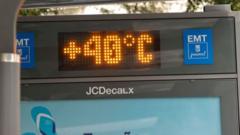
Understanding Tech Vulnerabilities in Extreme Heat Conditions
Modern technology infrastructure faces unprecedented challenges when confronted with elevated temperatures, as tech vulnerabilities heat-related failures continue to disrupt essential services globally. Energy grids, transportation networks, and digital systems that society depends on daily reveal significant susceptibilities to extreme weather conditions, particularly during scorching heat waves that impact operational efficiency and reliability.
How Energy Grids Struggle During High Temperature Events
Electric power distribution networks represent one of the most critical systems vulnerable to thermal stress. When ambient temperatures rise significantly, transmission lines experience increased electrical resistance, causing energy loss and reducing system capacity. Power plants that rely on water cooling become constrained when water sources warm beyond operational thresholds. Additionally, transformer stations—essential components for voltage regulation—suffer accelerated degradation and increased failure rates when exposed to sustained high temperatures.
The vulnerability extends beyond mere performance reduction. During peak demand periods coinciding with heat waves, simultaneous equipment failures can cascade through interconnected grids, potentially causing widespread blackouts. Utility companies face mounting pressure to upgrade infrastructure designed under historical climate parameters that no longer reflect contemporary temperature extremes.
Train Services and Rail Infrastructure Challenges
Railway networks demonstrate equally concerning vulnerabilities to thermal stress. Steel tracks expand when heated, potentially causing misalignment and derailments if proper compensation mechanisms fail. Overhead electrical lines that power trains lose carrying capacity and may sag dangerously close to track level during extreme heat. Signaling systems and control equipment housed in trackside enclosures often lack adequate cooling, leading to malfunction and service disruptions.
Operating procedures frequently require speed restrictions or service suspension when temperatures exceed safe operational parameters. This directly impacts passenger and freight movement, creating economic consequences that ripple through supply chains and commerce. Recent incidents across Europe and North America have demonstrated how heat-induced rail failures can strand thousands of passengers and delay critical shipments.
Digital Infrastructure and Data Center Vulnerabilities
Beyond traditional power and transportation sectors, digital infrastructure itself faces critical exposure. Data centers housing server equipment require sophisticated cooling systems to maintain optimal operating temperatures. When external temperatures exceed design specifications, cooling systems become overwhelmed, potentially causing equipment shutdown and data loss. Fiber optic cables used for telecommunications can degrade or fail when subjected to extreme thermal stress.
The interconnected nature of modern digital systems means that localized infrastructure failures in one region can disrupt services across entire continents. Internet backbone networks, cloud computing facilities, and telecommunications hubs all depend on reliable cooling and stable operating conditions.
The Economic and Social Impact of Heat-Related Tech Failures
The consequences of tech vulnerabilities heat-related incidents extend far beyond technical inconvenience. Hospital systems lose critical refrigeration for medicines and blood products. Water treatment facilities cannot pump and purify water effectively. Financial markets experience disruptions when trading infrastructure fails. Manufacturing operations shut down, costing billions in lost production.
Communities become increasingly vulnerable during heat emergencies when cooling-dependent systems fail simultaneously. Elderly populations, those dependent on medical devices, and economically disadvantaged groups face disproportionate risks when essential services collapse.
Upgrading Infrastructure for Climate Resilience
Addressing these vulnerabilities requires comprehensive infrastructure modernization. Updated equipment specifications must account for increased temperature thresholds. Enhanced cooling systems need redundancy and improved efficiency. Smart grid technologies can better distribute load and respond dynamically to thermal stress. Underground cable installation reduces exposure to solar radiation.
Investment in climate-resilient infrastructure represents both a technical necessity and economic imperative. Governments and utility companies increasingly recognize that delaying upgrades costs substantially more through lost productivity, emergency response expenses, and equipment replacement than proactive modernization.
Looking Forward: Building Temperature-Resistant Systems
As climate patterns continue shifting toward more frequent and intense heat events, technological systems must evolve accordingly. Research into materials that withstand higher temperatures, innovative cooling technologies, and distributed network architectures offers promise for creating more resilient infrastructure. The critical challenge lies in implementing these solutions rapidly enough to match accelerating climate change impacts on our technological foundation.