
CrossCountry Named UK's Worst Train Operator by Transport Focus
CrossCountry faces criticism from Transport Focus as Britain's worst train operator. The organization demands reduced delays and improved passenger communicatio...
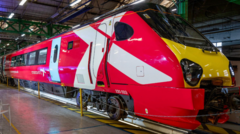
CrossCountry Receives Lowest Ratings in UK Rail Industry
CrossCountry has been designated as the worst train operator in the United Kingdom according to a comprehensive evaluation by Transport Focus, the independent watchdog for passenger transportation. This significant finding highlights persistent operational challenges that have affected millions of commuters and regular travelers across the nation. The worst train operator status represents a critical wake-up call for the rail service provider to implement substantial improvements in their infrastructure and customer service delivery.
Key Areas of Concern Identified
Transport Focus has outlined specific areas where the worst train operator must prioritize corrective action. The organization's detailed analysis reveals that CrossCountry continues to struggle with maintaining consistent service reliability, with delay rates exceeding acceptable industry standards. Passengers have reported frequent cancellations and postponements that disrupt their daily routines and professional commitments.
Persistent Delay Issues
The most critical challenge facing this worst train operator involves addressing the endemic delay problems that have plagued the service. Transport Focus has called upon CrossCountry to develop and execute a comprehensive strategy to significantly reduce the frequency and duration of delays across all routes. The current situation has created substantial frustration among regular users who depend on punctual service for their commutes to work, educational institutions, and essential appointments.
Communication During Disruptions
Beyond the delay issues themselves, the worst train operator has been criticized for inadequate passenger communication during service disruptions. Transport Focus emphasizes that when delays occur, travelers require timely, accurate, and accessible information about their journey alternatives and revised timetables. CrossCountry's current information systems have proven insufficient in meeting passenger expectations and regulatory standards for transparency during operational problems.
Impact on Passengers and Communities
The designation of CrossCountry as the worst train operator carries significant implications for the millions of passengers who depend on this service across multiple regions. Frequent delays result in missed connections, late arrivals at workplaces, and stress for vulnerable passenger groups including elderly travelers and those with mobility challenges. Communities served by CrossCountry have voiced their concerns about the reduced reliability and consistency of the service.
Regulatory Expectations and Compliance
As Britain's worst train operator according to regulatory assessment, CrossCountry faces increased scrutiny from transport authorities and government bodies responsible for rail service standards. The company must now demonstrate concrete progress toward meeting established benchmarks for on-time performance and customer satisfaction. Transport Focus has set clear expectations that improvements must be measurable and sustained over an extended period.
Required Improvements and Action Plan
Transport Focus has explicitly demanded that the worst train operator implement a structured improvement program with specific, measurable targets. This action plan must address infrastructure deficiencies, staff training, scheduling reliability, and technological systems that support real-time passenger information. The watchdog organization has indicated that it will monitor CrossCountry's progress through regular assessments and public reporting.
Infrastructure and Operational Upgrades
To escape its current status as the worst train operator, CrossCountry must invest substantially in upgrading aging infrastructure and modernizing rolling stock where necessary. Equipment failures and track maintenance issues have contributed significantly to the high incidence of delays and service cancellations that define the current service experience.
Technology and Information Systems
The worst train operator requires comprehensive technological upgrades to deliver real-time service information to passengers through multiple channels. Digital platforms, mobile applications, and in-station announcements must be synchronized to ensure consistent messaging during disruptions. This technological modernization is essential for meeting contemporary passenger expectations and regulatory standards.
Stakeholder Responses and Industry Context
The announcement that CrossCountry is Britain's worst train operator has generated substantial discussion among industry stakeholders, passenger advocacy groups, and government representatives responsible for rail service regulation. The findings highlight broader challenges within the UK rail industry and raise questions about performance monitoring and accountability mechanisms across the sector.
Future Outlook and Recovery Timeline
Transport Focus has not specified a precise timeline for when the worst train operator must demonstrate significant improvement, but the organization's statements suggest that urgent action is expected. CrossCountry faces reputational challenges and potential regulatory consequences if performance metrics do not improve substantially within a reasonable timeframe. The company's management must now prioritize service reliability and passenger satisfaction as core organizational objectives to reverse the worst train operator designation.