
Electric Power: The Future of Clean Aviation
Discover how electric power is revolutionizing aviation as a cleaner alternative to traditional fuel. Explore the sustainable future of air travel today.
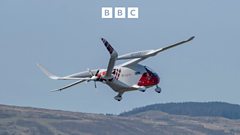
Electric Power Transforms the Aviation Industry
Electric power is emerging as one of the most promising cleaner alternatives to traditional aviation fuel, reshaping how the aerospace industry approaches sustainability and environmental responsibility. As global concerns about carbon emissions intensify, aviation stakeholders are increasingly turning their attention to electric propulsion systems as a viable solution for reducing their ecological footprint.
Understanding Electric Power in Aviation
The transition from conventional jet fuel to electric power represents a fundamental shift in how aircraft operate. Unlike traditional combustion engines that rely on hydrocarbon-based fuels, electric power systems utilize advanced battery technologies and electric motors to generate propulsion. This approach significantly reduces greenhouse gas emissions and particulate matter that contribute to air pollution and climate change.
Key Advantages of Electric Propulsion
Electric power offers numerous advantages over traditional aviation fuel. First, it eliminates direct carbon emissions during flight operations, making it a genuinely clean energy source. Second, electric motors operate with greater efficiency than conventional engines, requiring less overall energy input to achieve the same performance. Third, the operational costs associated with electric power systems are projected to decrease as battery technology advances and manufacturing scales up.
Current Developments in Electric Aircraft
Several manufacturers and research institutions are actively developing electric aircraft prototypes. Regional short-haul flights represent the primary focus, as current battery technology supports flights lasting up to two hours. Companies worldwide are investing heavily in electric power systems, recognizing this technology's potential to revolutionize commercial aviation within the coming decades.
Battery Technology and Energy Storage
The advancement of battery technology is crucial to the success of electric power aviation. Next-generation batteries must achieve higher energy density, faster charging capabilities, and improved safety standards. Lithium-ion and solid-state battery technologies are at the forefront of innovation, with researchers working tirelessly to overcome current limitations and unlock the full potential of electric power for larger aircraft and longer routes.
Environmental Impact and Sustainability
The environmental benefits of electric power in aviation are substantial. By eliminating traditional fuel consumption, electric aircraft contribute significantly to reducing aviation's carbon footprint. Studies indicate that electric propulsion could reduce operational emissions by up to 50-70% compared to conventional aircraft, representing a major step toward achieving global sustainability targets in the aviation sector.
Supporting Infrastructure Development
Successful implementation of electric power aviation requires comprehensive infrastructure development. Charging stations at airports, grid capacity improvements, and standardized protocols for electric aircraft operations must be established worldwide. Governments and private entities are collaborating to build this critical infrastructure, ensuring a smooth transition to cleaner aviation.
Challenges and Future Outlook
Despite promising progress, electric power aviation faces several obstacles. Weight limitations, flight range restrictions, and high initial development costs present ongoing challenges. However, rapid technological advancements suggest these barriers will diminish over time. Industry experts predict that electric power will become mainstream for short-haul flights within the next decade, with expanding capabilities for longer routes following thereafter.
Investment and Regulatory Support
Government incentives and private investment are accelerating the adoption of electric power in aviation. Regulatory bodies worldwide are establishing frameworks to certify and support electric aircraft operations, providing the certainty needed for manufacturers and airlines to commit resources to this transformative technology.
Conclusion
Electric power stands at the forefront of aviation's sustainable future. As a cleaner alternative to traditional aviation fuel, it addresses critical environmental concerns while advancing technological progress. With continued investment, innovation, and infrastructure development, electric power will play an increasingly vital role in creating a more sustainable aviation industry for generations to come.