
Emergency Summit on Ceuta Migration Crisis Draws EU Attention
The EU convenes urgent talks to address escalating migrant crossings into Ceuta. Spain faces pressure as hundreds attempt dangerous journeys to the Spanish encl...
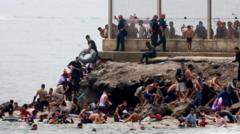
EU Convenes Emergency Summit Over Ceuta Migration Surge
European Union officials have called an emergency meeting to tackle the Ceuta migration crisis, which has intensified diplomatic tensions among member states. The Spanish enclave continues to witness unprecedented numbers of migrants attempting to cross its borders, prompting urgent discussions at the highest levels of EU governance.
Spain has found itself at the center of a contentious debate within the European Union regarding its capacity to manage the influx of vulnerable populations entering Ceuta. The situation has prompted serious concerns among neighboring countries and sparked disagreements over responsibility-sharing protocols and adequate funding mechanisms.
Diplomatic Tensions Rise Among European Partners
The migrant crossings Spain experiences have become a critical flashpoint in EU relations. Heated exchanges have emerged between Madrid and other member states, with accusations of inadequate border management on one side and calls for collective European responsibility on the other. These tensions reflect broader disagreements about immigration policy and burden-sharing within the union.
Officials from multiple EU nations have expressed frustration over what they perceive as Spain's inability to effectively control entry points into Ceuta. Conversely, Spanish authorities argue that the enclave's geographic location and limited infrastructure make it impossible to manage such volumes without comprehensive European support and resources.
The Geographic and Strategic Challenges
Ceuta's unique position as a Spanish territory located on the African continent presents unprecedented logistical difficulties. The border security Europe framework struggles to address the specific circumstances of this enclave, where migrants face minimal barriers compared to traditional land borders. The proximity to Morocco and the Mediterranean Sea creates multiple access routes that overwhelm existing security measures.
The infrastructure in place—though reinforced multiple times—continues to prove insufficient when confronted with sudden surges in crossing attempts. Environmental factors, seasonal patterns, and regional destabilization drive fluctuating waves of migration that challenge even the most well-resourced border management systems.
EU Response and Policy Discussions
The emergency gathering aims to establish a coordinated European response to address both immediate humanitarian concerns and long-term border management strategies. Officials are examining several potential solutions, including increased financial support for Spain's border infrastructure, temporary relocation agreements for processing migrants, and diplomatic initiatives with Morocco to reduce pressure points.
The Ceuta enclave tensions have prompted discussions about revising the Dublin Regulation, which currently places disproportionate responsibility on frontline nations. EU leadership recognizes that a unified approach is essential to managing migration sustainably across the continent.
Humanitarian Considerations at the Core
Beyond political disagreements, the emergency meeting acknowledges the humanitarian dimensions of this crisis. Many migrants undertaking dangerous journeys to Ceuta are fleeing violence, poverty, and persecution in their home countries. The EU's response must balance border security with international obligations to protect vulnerable populations seeking asylum.
Organizations monitoring the situation report concerning trends regarding unsafe travel methods and trafficking networks exploiting desperate families. The emergency summit is expected to address how Europe can better dismantle smuggling operations while providing safe, legal pathways for those genuinely needing protection.
Looking Forward: Collective Solutions
The Ceuta migration crisis represents a test of European solidarity and commitment to shared responsibility. The emergency meeting signals recognition that individual member states cannot address such challenges independently. Moving forward, the EU will need to implement comprehensive strategies that address root causes of migration, strengthen borders responsibly, and maintain humanitarian values central to European identity.
Spain expects concrete commitments from partner nations regarding financial assistance and burden-sharing mechanisms. The success of this emergency summit will largely determine whether the EU can establish a sustainable immigration framework or whether similar crises will continue to strain relationships among member states and challenge the union's cohesion.