
Energy Bill Discounts Unveiled for Homes Near Upgraded Pylons
Discover how households within 1600ft of upgraded pylons can save £250 annually on electricity bills through new energy discount schemes.
Energy Bill Discounts Unveiled for Homes Near Upgraded Pylons
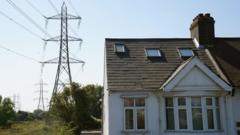
A groundbreaking initiative has emerged to provide financial relief to residents through energy bill discounts pylons, with qualifying households positioned to gain substantial annual savings. The scheme represents a novel approach to compensating properties affected by electrical infrastructure upgrades, offering £250 yearly reductions on electricity costs for homes situated within 1600 feet of modernized pylon installations.
Understanding the New Discount Framework
The energy bill discounts pylons program marks a significant shift in how utility companies address community concerns regarding high-voltage infrastructure development. Rather than viewing proximity to upgraded electrical systems as a disadvantage, this initiative transforms the situation into a tangible economic benefit. Homeowners living within the specified distance threshold will experience direct financial relief through their annual utility statements.
Eligibility and Coverage Area
The 1600-foot radius represents the primary qualification zone for participating households. Properties within this boundary become eligible for the £250 annual discount, provided they meet additional verification requirements established by energy providers. This distance calculation ensures that residents most directly affected by pylon infrastructure improvements receive meaningful compensation.
Annual Savings Breakdown
The £250 annual saving translates to approximately £20.83 monthly reductions in household electricity savings, offering consistent budget relief throughout the year. For families managing tight energy budgets, this sustained discount contributes meaningfully to overall household expenses while reflecting a commitment to compensate communities for infrastructure proximity.
How the Energy Scheme Functions
Implementation of the household electricity savings program involves registration procedures where eligible residents verify their property location and receive approved discount status. Energy suppliers participating in the initiative automatically apply the reduction to customer accounts, requiring minimal administrative burden from households themselves.
Registration and Verification Process
Homeowners interested in claiming their entitlement must provide documentation confirming their property's location relative to upgraded pylons. This straightforward verification ensures that only genuinely eligible properties receive discounts while maintaining program integrity and preventing fraudulent claims.
Payment Mechanism
Rather than issuing separate checks, participating utility companies incorporate the £250 discount directly into annual billing calculations. This approach simplifies administration, reduces processing costs, and ensures households consistently benefit from the saved amount across monthly statements.
The Broader Context of Infrastructure Investment
The introduction of pylon proximity schemes reflects evolving attitudes toward community engagement during major utility infrastructure projects. Historically, residents expressed concerns regarding living near electrical transmission systems, citing potential health impacts and visual landscape alterations. This compensation structure acknowledges legitimate community concerns while demonstrating corporate responsibility.
Modernization Benefits Beyond Compensation
Upgraded pylons deliver enhanced grid reliability, improved power distribution efficiency, and reduced transmission losses. These power infrastructure incentives benefit broader society through more stable electricity supply and optimized energy distribution networks. The discount program provides individual household benefits while supporting essential national infrastructure improvements.
Grid Development and Community Relations
Energy companies recognize that major infrastructure projects require community support and goodwill. By introducing grid modernization benefits that directly compensate affected households, utilities demonstrate commitment to shared prosperity. The financial incentive helps offset resident concerns while funding necessary electrical system upgrades essential for meeting growing energy demands.
Long-Term Sustainability Considerations
Modern electricity grids require substantial capital investment to accommodate renewable energy integration, electric vehicle charging infrastructure, and electrification of heating systems. Compensating communities through energy bill discounts pylons represents a balanced approach to securing local support for these essential developments.
Participating Energy Providers and Rollout Timeline
Leading electricity suppliers have confirmed participation in the household electricity savings initiative, with varying implementation schedules depending on regional pylon upgrade completion dates. Early adopters have begun processing applications, while others plan full program launches within specified quarterly windows.
Regional Variation and Availability
Different areas experience varying rollout timelines based on infrastructure project phases. Households should verify program availability in their specific regions through direct contact with local electricity suppliers or official government energy authority announcements.
Maximizing Your Savings Potential
Beyond the automatic £250 discount, homeowners can explore additional energy conservation measures to compound their household electricity savings. Implementing efficiency upgrades, adjusting usage patterns, and utilizing smart meter technologies create opportunities for further cost reduction.
The convergence of infrastructure investment and community compensation through energy bill discounts pylons demonstrates how modern utility management can balance necessary development with resident welfare, creating positive outcomes for all stakeholders while strengthening national electrical infrastructure.