
Energy Meter Reading Essential as Household Bills Surge 13%
Read your energy meter regularly as prices climb 13% annually following Ofgem's latest price cap update. Discover how to monitor consumption.
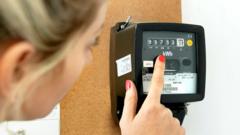
Energy Meter Reading Becomes Critical as Household Costs Climb
Regular energy meter reading has become increasingly important for households facing substantial financial pressures, as energy meter reading practices help consumers track consumption accurately amid the 13% annual price increase that has taken effect following Ofgem's latest regulatory adjustment. The regulator's updated price cap implementation marks a significant moment for domestic energy users seeking to manage their budgets more effectively.
Understanding the 13% Price Increase Impact
The implementation of Ofgem's current price cap framework has resulted in a notable 13% annual surge in household energy prices. This substantial increase affects millions of residential consumers across the nation, prompting experts and regulatory bodies to encourage more proactive monitoring of consumption patterns. Understanding the extent of this rise helps households contextualize their energy expenses and plan accordingly.
Why Current Meter Readings Matter More Than Ever
Accurate meter readings form the foundation of fair billing and enable householders to identify unusual consumption spikes before they accumulate into significant charges. By consistently documenting their energy usage, residents can detect potential equipment malfunctions or inefficiencies that might otherwise go unnoticed. This preventive approach protects against inflated bills based on estimated readings.
How to Properly Monitor Your Energy Usage
Households should establish a routine schedule for recording their meter readings, ideally on the same day each week or month. Digital meters provide real-time consumption data, while traditional mechanical meters require manual note-taking. Comparing readings across different periods reveals seasonal trends and consumption habits. Modern smart meters automatically transmit this information to suppliers, reducing estimation errors and promoting billing accuracy.
Benefits of Regular Energy Meter Reading
Consistent monitoring empowers consumers with concrete data about their actual consumption rather than relying on supplier estimates. This transparency enables better decision-making regarding energy efficiency improvements and behavioral adjustments. Households equipped with accurate usage information can negotiate more effectively with providers and identify when switching suppliers might yield savings. Additionally, documented readings provide evidence in billing disputes and ensure customers pay only for energy actually consumed.
Ofgem's Price Cap Framework Explained
The regulator's price cap mechanism establishes maximum rates that energy suppliers can charge consumers for standard tariffs. Rather than fixing prices indefinitely, Ofgem adjusts these caps quarterly based on wholesale market conditions and operational costs. The current adjustment reflecting the 13% increase represents substantial cost pressures facing the industry. Understanding this regulatory approach helps consumers appreciate broader economic factors influencing their bills.
Quarterly Adjustments and Future Expectations
Energy meter reading becomes especially valuable when prices adjust quarterly, as households can observe how consumption patterns translate to changing bills. Tracking usage across price cap periods reveals whether consumption changes drove increases or if external factors dominated. This knowledge prepares families for potential future adjustments and enables strategic consumption planning.
Practical Steps for Households Today
Begin by locating your energy meter and understanding its display format. Record the current reading and establish a consistent monitoring schedule. Document readings in a dedicated notebook or digital file for easy comparison. Share accurate readings with your energy supplier rather than allowing automated estimates. Consider installing a smart meter if not already available, as these devices provide detailed consumption breakdowns by time of day.
Taking control through energy meter reading represents one of the most accessible strategies households can employ to manage rising costs. While price caps set industry-wide rates, individual consumption decisions remain firmly under consumer control. Informed households make better choices about energy usage, ultimately protecting their finances against the documented 13% annual price increase now in effect.