
Expert Raises New Questions About Microsoft Quantum Technology Advancement
Recent scrutiny challenges Microsoft's quantum technology breakthrough. Scientist questions the validity of company's latest chip research claims and findings.
Fresh Scrutiny Emerges Over Microsoft Quantum Technology Advancement
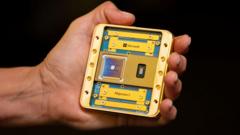
A prominent researcher has brought forward renewed concerns regarding the validity of Microsoft's quantum technology innovations, particularly focusing on the company's contested Majorana-based chip development. The scrutiny surrounding Microsoft's quantum technology efforts highlights ongoing debates within the scientific community about whether recent announcements truly represent genuine breakthroughs or merely speculative claims requiring further validation.
Microsoft's Continued Commitment to Quantum Research
Despite mounting criticism and expressed doubts from multiple quarters of the academic research establishment, Microsoft has maintained a resolute stance regarding its quantum chip research initiatives. The corporation has consistently defended its quantum technology approach, asserting that its methodologies and findings represent legitimate advances in the field of quantum computing.
Understanding the Majorana Qubit Debate
The central focus of contention revolves around Microsoft's quantum technology strategy involving Majorana particles and their potential application in developing more stable qubits. Advocates within Microsoft's quantum computing division argue that this approach to quantum technology offers distinct advantages over competing methodologies currently being pursued by rival technology companies and research institutions worldwide.
Scientific Community Perspectives
Within academic circles, perspectives regarding Microsoft's quantum technology claims remain polarized. While some researchers acknowledge the theoretical potential of the company's quantum chip research framework, others maintain fundamental reservations about whether the current evidence sufficiently supports the bold assertions being made about quantum technology capabilities and progress.
Implications for Quantum Computing Development
The ongoing debate concerning Microsoft's quantum technology research carries significant implications for the broader quantum computing industry landscape. Questions about the legitimacy of quantum chip research outcomes directly influence investor confidence, research funding allocation decisions, and the strategic direction of quantum physics exploration globally.
Industry Standards and Verification
The controversy underscores a critical challenge within quantum computing advancement: establishing universally accepted verification standards for quantum technology breakthroughs. Without consensus-based protocols for validating quantum chip research results, the scientific community faces persistent difficulties in distinguishing genuine quantum technology progress from preliminary or unsubstantiated findings.
Microsoft's Research Methodology Defense
Company representatives have emphasized the rigorous nature of their quantum computing research protocols and the extensive peer review processes applied to their quantum technology publications. Microsoft maintains that its quantum chip research adheres to established scientific standards and that critics have failed to identify specific methodological flaws in their quantum technology investigations.
Broader Context in Quantum Physics
The Microsoft quantum technology controversy reflects larger tensions within quantum physics research between theoretical possibilities and demonstrated experimental results. As quantum computing technology attracts increasing investment and commercial attention, questions about verification and transparency in quantum chip research become increasingly consequential.
Future Outlook for Quantum Technology Research
Moving forward, the resolution of debates surrounding Microsoft's quantum technology claims may require independent laboratory investigations and collaborative verification efforts involving multiple research institutions. The scientific community continues monitoring developments in quantum chip research methodology and awaiting additional evidence that might either validate or refute current quantum technology assertions being advanced by major corporations.