
Fake Cancer Cures: Dangerous Drugs Disguised as Tumor Treatments
BBC investigation reveals dewormer and scabies medications being fraudulently sold as cancer treatments. Terminally ill patients targeted with false medical pro...
Dangerous Medical Fraud Targeting Vulnerable Patients
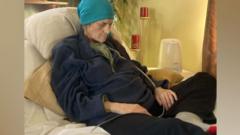
A shocking investigation by the BBC has uncovered a widespread cancer treatment fraud scheme where unscrupulous sellers are peddling antiparasitic and scabies medications as legitimate tumor-shrinking therapies. This dangerous medical deception is primarily targeting terminally ill patients who are desperate for any potential cure, exploiting their vulnerability and hope during their darkest hours.
The investigation revealed that individuals with no medical credentials are making extraordinary claims about these medications' cancer-fighting properties. In one documented case, a terminally-ill patient was approached by a stair lift salesman who confidently asserted that specific drugs could substantially shrink tumors and extend survival. Such predatory tactics represent a serious threat to public health and consumer safety.
How the Fraudulent Scheme Operates
The cancer treatment fraud operates through various deceptive channels, targeting patients through informal networks, social media, and even face-to-face encounters. Sellers exploit the emotional desperation of terminal patients and their families, using misleading testimonials and fabricated success stories to build false credibility. These opportunistic fraudsters operate without regulatory oversight, making exaggerated claims that have no scientific basis whatsoever.
The Medications Being Misrepresented
The drugs being fraudulently marketed include veterinary dewormers and standard scabies treatments—medications designed for completely different purposes with no proven efficacy against cancer. When used improperly or in unregulated quantities, these substances pose significant health risks including severe side effects, organ damage, and potentially fatal complications. Patients who pursue these fake remedies often abandon legitimate medical treatment, dramatically worsening their prognosis and shortening their survival time.
Targeting the Most Vulnerable Population
Terminal cancer patients represent the most vulnerable demographic targeted by these fraudsters. Facing limited treatment options and diminishing hope, these individuals are psychologically primed to consider unconventional approaches. The psychological manipulation employed by scammers is particularly insidious—they provide false hope while simultaneously undermining confidence in legitimate oncological medicine and established healthcare providers.
The Role of Unqualified Sellers
One particularly troubling aspect of this cancer treatment fraud involves completely unqualified individuals making medical claims. The stair lift salesman case exemplifies how ordinary people with no medical training, pharmaceutical knowledge, or credentials are positioning themselves as alternative health experts. This blur between legitimate commerce and medical fraud creates dangerous confusion for vulnerable patients seeking legitimate treatment options.
Health Consequences and Medical Risks
The health implications of consuming misdirected antiparasitic medications are severe. These substances can cause liver toxicity, kidney damage, neurological complications, and severe gastrointestinal distress. When cancer patients substitute these dangerous compounds for proven oncological treatments like chemotherapy, immunotherapy, or radiation, they significantly reduce their chances of survival or remission. The combination of ineffective treatment and medication toxicity creates a perfect storm of medical harm.
Delayed Treatment as a Fatal Consequence
Perhaps the most tragic consequence of these fake cancer cures is treatment delay. Patients who waste precious months pursuing fraudulent remedies lose critical windows for effective conventional treatment. In cancer care, timing is literally a matter of life and death, making these scams not merely exploitative but potentially fatal.
Regulatory and Enforcement Challenges
The proliferation of dangerous medications being misrepresented as cancer treatments reveals significant gaps in regulatory enforcement. These fraudsters often operate through informal networks that are difficult for authorities to monitor and pursue. The decentralized nature of the fraud, combined with limited resources for consumer protection agencies, allows these schemes to persist despite their obvious dangers.
Consumer Protection and Warning Signs
Regulatory authorities are urging patients and families to recognize warning signs of medical fraud. Legitimate cancer treatments are developed through rigorous clinical trials, approved by recognized health agencies, and administered by licensed healthcare providers. Any offer of cure from non-medical sources, particularly involving repurposed veterinary or parasitic medications, should be immediately reported to health authorities and avoided entirely.
The Broader Context of Alternative Medicine Fraud
This investigation highlights a persistent problem within alternative medicine marketing where unproven substances are marketed with miraculous claims. While some complementary approaches may provide psychological comfort alongside conventional treatment, outright substitution of proven cancer therapies with dangerous fraudulent treatments is fundamentally different and morally indefensible.
Protecting vulnerable patients requires enhanced public awareness about legitimate treatment pathways and greater enforcement against those perpetrating medical fraud. The BBC investigation serves as a critical warning to cancer patients and families to maintain vigilance against exploitative schemes and to trust only established medical institutions and licensed healthcare professionals.