
Fake Portable Air Coolers: Internet's Misleading 90-Second Claims Exposed
ASA warns consumers about deceptive portable air cooler ads claiming rapid cooling. Discover why these viral devices don't work as advertised online.
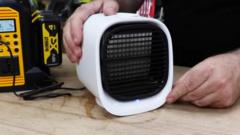
Understanding the Fake Portable Air Coolers Phenomenon
The rise of fake portable air coolers has become a significant concern for advertising regulators and consumers alike. These devices, heavily promoted across social media platforms and online marketplaces, claim to achieve room temperature drops in mere 90 seconds. However, the Advertising Standards Authority has intervened, determining that fake portable air coolers marketed with such extraordinary claims are fundamentally misleading to unsuspecting buyers.
What makes these fake portable air coolers particularly problematic is their widespread distribution through internet advertising channels. Consumers searching for affordable cooling solutions during hot months frequently encounter these products, often presented with flashy promotional videos showing dramatic temperature reductions that seem almost magical in their speed and efficiency.
The ASA's Official Position on False Advertising
The Advertising Standards Authority has taken a firm stance against manufacturers and sellers promoting fake portable air coolers with exaggerated performance claims. According to regulatory findings, advertisements suggesting that small, portable devices can rapidly cool entire rooms were simply too good to be true, contradicting basic principles of physics and thermodynamics.
The ASA's investigation revealed that many fake portable air coolers being marketed online rely on misleading demonstrations and doctored footage to showcase their purported capabilities. These materials often compare room temperatures before and after using the devices without accounting for variables like outdoor temperature changes, air circulation modifications, or extended operation periods that might account for minor temperature fluctuations.
How Fake Portable Air Coolers Actually Function
Understanding the actual mechanics behind fake portable air coolers helps explain why regulatory authorities consider their marketing claims deceptive. Most products falling into this category operate as evaporative coolers or simple air circulation devices, which work through entirely different principles than genuine air conditioning units.
Evaporative cooling, the primary mechanism in many fake portable air coolers, relies on moisture evaporation to create minor temperature reductions—typically only effective in extremely dry climates. In humid environments, these devices provide virtually no cooling benefit whatsoever. Meanwhile, basic fan units included in some fake portable air coolers simply redistribute air without reducing its temperature, creating only the perception of coolness through air movement.
The energy efficiency promoted by sellers of fake portable air coolers is another misleading claim that the ASA has specifically addressed. While these devices consume relatively little electricity compared to genuine air conditioning systems, their minimal power usage directly correlates with their negligible cooling performance.
Consumer Impact and Market Scope
The proliferation of fake portable air coolers represents a substantial problem in the online retail environment. Customers purchasing these devices expecting legitimate cooling solutions often experience disappointment and financial loss. During seasonal temperature peaks, when people actively seek cooling alternatives, these deceptive products capture significant sales volume through strategic online advertising.
Social media platforms have become primary distribution channels for fake portable air coolers, with promotional content frequently going viral through influencer partnerships and paid advertising campaigns. The visual appeal of these marketing materials, combined with aggressive pricing strategies, attracts consumers who might otherwise investigate product specifications more thoroughly.
Regulatory Response and Consumer Protection
Beyond the ASA's interventions, multiple consumer protection agencies have issued warnings about fake portable air coolers. These regulatory bodies recommend that consumers examine actual technical specifications, independent product reviews, and genuine user testimonials before purchasing any cooling device marketed with extraordinary performance claims.
The ASA's actions against fake portable air coolers include requiring removal of misleading advertisements, mandating corrected marketing materials, and in some cases, imposing financial penalties on companies engaged in deceptive practices. These enforcement measures aim to protect consumers from intentionally fraudulent advertising that exploits legitimate demand for affordable cooling solutions.
How to Identify Legitimate Cooling Products
Distinguishing genuine cooling devices from fake portable air coolers requires understanding basic product specifications and performance expectations. Legitimate air conditioning and cooling products include detailed technical information about their actual capabilities, operating ranges, and limitations under various environmental conditions.
Consumers evaluating cooling options should examine certifications from relevant technical standards organizations, compare performance specifications against established benchmarks, and review verified customer experiences on multiple independent platforms. Claims about 90-second cooling cycles or room-temperature reductions exceeding physical capabilities should trigger immediate skepticism regarding product legitimacy.
The continued marketing of fake portable air coolers despite regulatory warnings highlights the importance of consumer education and critical evaluation of online product claims. By understanding how these deceptive devices operate and recognizing misleading advertising tactics, buyers can make informed decisions and avoid wasting money on products that cannot deliver their promised functionality.