
Feral Children: Embracing Wild Childhood in Modern Society
Discover why feral children represent authentic childhood freedom. Explore how island communities balance independence, adventure and parental concerns in child...
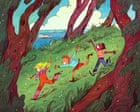
Feral Children: A Different Perspective on Growing Up
Feral children have become a topic of heated debate among parents, educators, and child development experts worldwide. While adults frequently express concerns about kids taking up too much space in society, the reality reveals a paradox: when children actually occupy that space and express themselves freely, society demands they remain silent and constrained. This contradiction highlights a fundamental tension in how modern culture approaches childhood independence and authentic self-expression.
Island Life and the Transition to Adulthood
On Peaks Island, a small Maine community situated approximately three miles off the Portland coast, feral children experience a unique developmental journey quite different from their mainland counterparts. This island, accessible solely by boat, has fostered a distinct culture where childhood independence is both celebrated and challenged by geographical realities.
Island families maintain year-round residency despite the geographical isolation that defines their community. An elementary school serves the youngest learners on Peaks Island, providing foundational education within the close-knit island environment. However, this educational arrangement changes dramatically when children reach a critical developmental milestone: sixth grade.
The Ferry Commute: A Modern Rite of Passage
Once island children turn old enough for middle school, they embark on a daily ritual that transforms their relationship with independence and identity. The 7:15am ferry departure marks the beginning of their commute to the mainland, where middle and high school education awaits. This ferry journey represents far more than simple transportation; it constitutes a profound rite of passage that defines what it means to grow up in island communities.
This transition encapsulates the essence of feral children who navigate between two worlds—the sheltered island environment of their elementary years and the broader mainland society that awaits them. The ferry commute symbolizes both liberation and responsibility, forcing young people to develop resilience, independence, and adaptability far earlier than their landlocked peers.
Understanding Feral Children and Independence
The concept of feral children often carries negative connotations, yet it frequently describes young people who develop genuine self-reliance and problem-solving abilities through less structured environments. Island communities like Peaks Island demonstrate how geographical constraints can paradoxically foster authentic childhood independence rather than hinder it.
Children who commute daily by ferry learn navigation skills, time management, and social coordination that many suburban children never acquire. These feral children develop confidence in their ability to handle unexpected situations—weather delays, missed ferries, social challenges with peers from different island communities all create real-world learning opportunities.
The Paradox of Adult Expectations
Adults frequently complain that children should occupy more prominent roles in society and have greater voice in decisions affecting their lives. Yet when feral children actually claim that space and exercise authentic agency, adult society often responds by demanding silence and conformity. This paradox reveals uncomfortable truths about how adults genuinely view childhood independence versus how they rhetorically discuss it.
The ferry-commuting children of Peaks Island experience this contradiction firsthand. They demonstrate genuine independence and capability, yet they remain subject to adult schedules, school regulations, and parental oversight. They navigate real challenges and responsibilities, yet society frequently infantilizes them or criticizes their self-directed activities.
Benefits of Feral Childhood in Island Communities
Growing up with genuine independence offers substantial developmental advantages. Feral children develop stronger self-reliance, better decision-making capabilities, and enhanced resilience compared to children whose lives remain heavily supervised and structured. The ferry commute requirement creates natural opportunities for independence that don't feel forced or artificial.
Island communities have historically produced individuals with remarkable adaptability and confidence. These feral children learn early that they possess competence and capability. They understand that adults cannot solve every problem for them, and this realization builds genuine self-efficacy that extends throughout their lives.
Rethinking Childhood in Modern Society
Perhaps modern culture should reconsider its relationship with feral children and authentic childhood independence. The tension between adult complaints about children and adult restrictions on their autonomy reflects deeper cultural confusion about what we actually want for young people.
Communities like Peaks Island offer valuable lessons about childhood development, independence, and the rituals that mark transition into adulthood. The daily ferry journey represents one of countless ways that real-world constraints can foster genuine capability rather than dependence.
Feral children deserve recognition not as problems requiring solutions, but as young people developing authentic competence through engagement with real-world challenges and responsibilities. Supporting this development while maintaining appropriate safety measures represents a more balanced approach to childhood in contemporary society.