
Five EU Leaders Push for Stronger Brussels-UK Relations
Germany, Belgium, Netherlands, Luxembourg and Denmark advocate closer EU-UK cooperation on clean energy ahead of summit with von der Leyen and Costa.
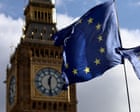
Five European Nations Champion Closer EU-UK Relations
A significant diplomatic initiative has emerged as five prominent European leaders have publicly advocated for strengthened EU-UK relations in advance of a crucial summit in Brussels. The heads of state from Germany, Belgium, the Netherlands, Luxembourg, and Denmark have collectively voiced their commitment to deepening ties between the European Union and the United Kingdom, signaling a renewed effort to foster collaborative partnerships across the continent.
This coordinated push for EU-UK relations comes at a pivotal moment in European politics, with the participating nations recognizing the mutual benefits that enhanced cooperation could deliver to both the Union and Britain. The joint statement from these five European leaders represents a strategic alignment of interests and a clear message about the importance of maintaining strong diplomatic channels.
Clean Energy Partnership as Core Focus
The primary driver behind this initiative centers on clean energy cooperation, which the five nations identify as a transformative area for bilateral collaboration. According to the leaders' correspondence addressed to European Commission President Ursula von der Leyen and European Council President António Costa, investing in renewable energy partnerships would strengthen economic ties while addressing shared environmental objectives.
The emphasis on clean energy reflects broader European priorities regarding climate change mitigation and sustainable development. By positioning this sector as central to EU-UK relations, the five nations underscore how technological innovation and green energy initiatives can serve as bridges for deeper international engagement. Such cooperation extends beyond simple energy trading; it encompasses research collaboration, infrastructure development, and workforce training initiatives.
Strategic Positioning at the Brussels Summit
The timing of this diplomatic overture ahead of the Brussels summit demonstrates calculated political strategy. By presenting a unified front, the five European leaders strengthen their negotiating position and signal to other EU member states the value of pragmatic engagement with Britain. This approach contrasts with more adversarial positions that have occasionally characterized post-Brexit relations.
The leaders' communication to von der Leyen and Costa serves multiple purposes: it frames EU-UK relations as essential to European prosperity, establishes clean energy as a gateway to broader cooperation, and creates momentum toward productive bilateral discussions. Such coordinated diplomatic efforts often prove decisive in shaping international negotiations and establishing frameworks for future collaboration.
Broader Implications for European Diplomacy
This coordinated push by five significant European nations carries implications extending beyond immediate EU-UK relations. It reflects recognition among some member states that mutually beneficial engagement with Britain serves European interests across multiple sectors. Germany's involvement is particularly significant given its economic influence and political weight within the EU structure.
The inclusion of smaller nations like Luxembourg and Belgium demonstrates that this is not merely a major power initiative but rather represents genuine consensus among diverse European stakeholders. These nations bring their own interests and perspectives to the table, yet their collective endorsement of closer EU-UK cooperation suggests that the benefits of engagement outweigh the costs of continued friction.
Future Outlook for Bilateral Cooperation
The response from von der Leyen and Costa will likely shape the trajectory of EU-UK relations in the coming months. A positive reception could accelerate concrete negotiations on clean energy partnerships, while also opening doors to cooperation in other sectors including research, defense, and trade normalization.
As these five European leaders demonstrate their commitment to bridging the gap between Brussels and London, they establish a foundation for sustained diplomatic engagement. The emphasis on clean energy cooperation provides a practical, mutually beneficial framework that allows both sides to move beyond historical grievances and focus on shared challenges and opportunities. This approach suggests that pragmatic collaboration on specific issues can gradually rebuild trust and create pathways for expanded partnership across the broader EU-UK relationship.