
France Faces Surge in Drowning Deaths During Extreme Heatwave Peak
Drowning deaths in France spike dramatically during Europe's intense heatwave, with 40 fatalities reported since last Thursday according to Prime Minister Lecor...
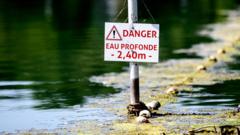
Drowning Deaths in France Escalate During Historic Heatwave
France is experiencing an alarming increase in drowning deaths in France as Europe endures its most intense heatwave conditions. Prime Minister Sébastien Lecornu confirmed that forty individuals have lost their lives in water-related incidents since last Thursday, marking a significant public health crisis amid soaring temperatures across the continent.
The escalation of these tragic incidents reflects the broader challenges facing European nations as record-breaking heat forces residents toward water bodies seeking relief from dangerous thermal conditions. Authorities have expressed serious concern over the pattern of drowning deaths in France, which appears directly correlated with the unprecedented heat levels gripping the region.
The Impact of Extreme Temperatures on Public Safety
When heatwave conditions reach critical levels, behavioral patterns shift dramatically across populations. Individuals, particularly families and youth, increasingly venture to lakes, rivers, and coastal areas in desperate attempts to cool down from the oppressive heat. This surge in water-based activities, combined with heightened physical stress from extreme temperatures, creates a dangerous combination that elevates drowning risks substantially.
The Prime Minister's acknowledgment of the forty fatalities underscores the severity of the current crisis. These deaths represent not merely statistical figures but represent families affected by tragedy during what should have been routine recreational activities. The drowning deaths in France have prompted urgent discussions among government officials and public health experts regarding emergency preparedness and public awareness campaigns.
Regional Heat Crisis Across Europe
France is not alone in confronting devastating consequences of the heatwave. Multiple European nations simultaneously face critical situations as temperatures reach levels rarely observed in meteorological records. The continental scale of this heat event distinguishes it from typical seasonal variations, demanding coordinated responses from governments and emergency services.
Swimming areas across France have witnessed unprecedented visitor volumes as citizens seek temporary respite from conditions that pose serious health risks. Public facilities, beaches, and natural water bodies have become increasingly crowded, creating challenging circumstances for lifeguards and rescue personnel attempting to maintain safety standards. The combination of overcrowding and heat-induced physical vulnerabilities has created what experts describe as a perfect storm for water-related emergencies.
Response Measures and Emergency Protocols
Government authorities have intensified monitoring and safety protocols at major water recreation areas throughout France. Lifeguard services have received additional resources and extended operating hours to manage increased visitor volumes. Public health messaging has emphasized the importance of hydration, sun protection, and cautious behavior near water bodies, particularly for vulnerable populations including children and elderly individuals.
Prime Minister Lecornu's public statements regarding the drowning deaths in France serve as a stark reminder of the serious consequences accompanying extreme weather events. Officials have activated emergency response mechanisms designed to provide rapid assistance to distressed swimmers and coordinate rescue operations across multiple jurisdictions.
Long-term Implications and Climate Considerations
The recurring pattern of severe heatwaves across Europe raises important questions about climate adaptation and disaster preparedness. Infrastructure planning, emergency response training, and public education initiatives require continuous evaluation and enhancement to address evolving threats posed by extreme weather phenomena. The current crisis demonstrates that traditional safety measures may prove insufficient when conditions reach unprecedented severity levels.
Health authorities continue monitoring the situation closely, tracking drowning deaths in France and coordinating with regional emergency services. Community leaders are developing comprehensive strategies to inform residents about heat safety while encouraging responsible behavior near water bodies. Education campaigns emphasize that while water provides temporary cooling relief, the dangers associated with heatwave conditions demand heightened vigilance and caution from all citizens engaging in water-based activities.