
Free Speech Protection Could Impact Labour's Election Performance
Poll shows 60% of voters consider free speech crucial for election choice. Liberty warns Labour's stance risks losing votes on this key issue.
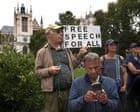
Free Speech Protection Emerges as Critical Election Issue
Free speech protection has become a significant concern for British voters ahead of the next general election, with polling data revealing that many citizens believe the government's current approach to this fundamental right is damaging to the nation. A comprehensive survey commissioned by Liberty, a prominent human rights organisation, indicates that free speech protection will play a decisive role in how voters cast their ballots.
The research, conducted by More in Common, presents compelling evidence that free speech protection ranks high among voter priorities. The findings suggest that the political party's stance on safeguarding free expression could substantially influence electoral outcomes, with implications for all major political parties.
Voter Sentiment on Free Speech Protection
According to the polling data, three out of every five voters stated that a political party's position on free speech protection would directly affect their voting decision in the upcoming general election. This statistic demonstrates that free speech protection is not merely a peripheral concern but rather a central issue that shapes electoral preferences.
The survey results indicate widespread perception that recent government policies have negatively impacted free speech protections. Citizens express concern that current measures may be undermining traditional freedoms that have long been considered fundamental to British democracy. This sentiment cuts across different demographic groups and political affiliations, suggesting a broad-based concern about the trajectory of free speech policy.
Liberty's Analysis and Electoral Implications
Liberty, the respected human rights organisation behind the polling initiative, contends that the Labour government's approach to free speech protection represents a vulnerability that could translate into lost electoral support. The organisation argues that voters' clear prioritisation of this issue means that parties failing to adequately address free speech concerns risk alienating significant portions of the electorate.
The human rights group's interpretation of the data suggests that free speech protection has become a litmus test for many voters evaluating which party deserves their support. This positioning reflects broader societal debates about balancing various rights and responsibilities within a democratic framework.
Public Perception of Government Policy
The polling reveals that many voters perceive current government policies as detrimental to free speech protections. Rather than viewing these measures as necessary safeguards against harmful content, substantial portions of the electorate see them as excessive restrictions on legitimate expression and public discourse.
This gap between government intentions and public perception underscores a significant communication and policy challenge. Voters appear to be signalling that any attempt to restrict free speech protections, however well-intentioned, faces considerable public resistance and skepticism.
Electoral Consequences and Strategic Considerations
For the Labour party specifically, the polling data carries important strategic implications. With free speech protection emerging as a decisive electoral issue and significant portions of voters viewing current policies unfavourably, the party faces pressure to recalibrate its approach or risk losing votes to competitors who champion stronger free speech protections.
Political strategists will likely view this polling as a clear signal that free speech protection deserves prominence in party manifestos and campaign messaging. Parties that effectively communicate their commitment to robust free speech protections may gain electoral advantage among voters who prioritise this issue.
Broader Democratic Implications
The prominence of free speech protection as an election issue reflects deeper concerns about the health of British democracy. Voters appear increasingly conscious of the balance between security, safety, and individual freedoms, choosing to make their concerns about free speech protection central to their electoral calculations.
This trend suggests that future election campaigns will likely feature more substantive debate about how to protect free speech protections while addressing legitimate societal concerns. The polling indicates voters want politicians to engage seriously with these complex questions rather than treating free speech protection as a secondary concern.