
Harry Brook Shows Batting Brilliance Like Gower and Pietersen at Headingley
England batsman Harry Brook demonstrates exceptional talent comparable to Gower and Pietersen with his Headingley knock, but cricket experts question captaincy...
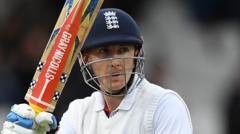
Harry Brook's Exceptional Batting Display at Headingley
England batsman Harry Brook has demonstrated remarkable skill and composure during his recent performance at Headingley, drawing comparisons to cricket legends like David Gower and Kevin Pietersen. The young player's batting prowess has impressed observers, though questions remain about other aspects of his career progression. According to cricket analyst Jonathan Agnew, Brook's display at the Yorkshire ground should serve as the template for his future approach to Test cricket.
Comparisons to Cricket Icons
The technical excellence displayed by Harry Brook at Headingley has naturally led to discussions comparing his abilities to previous England batting superstars. Gower and Pietersen, both known for their elegant strokeplay and tactical intelligence, represent a benchmark of excellence in English cricket history. Agnew's observations suggest that Brook possesses similar natural gifts and potential for sustained success at the highest level of international competition.
The Blueprint for Future Success
Agnew has specifically highlighted elements of Brook's Headingley innings that should become the foundation of his batting philosophy going forward. The England batsman demonstrated technical soundness, mental resilience, and an ability to construct substantial innings while maintaining attacking intent. These qualities, when consistently applied, form the basis upon which great Test cricket careers are built, particularly for players aspiring to lead their nations.
Captaincy Concerns and Career Timing
While acknowledging Harry Brook's undeniable batting talent and potential, Agnew and other cricket observers have raised important questions about the timing of any move toward Test captaincy responsibilities. The rigorous demands of leading a national cricket team require not only batting excellence but also extensive match experience, strategic understanding, and leadership maturity. Brook's current stage of development, though impressive, suggests he may benefit from further years of focused development as a batsman before assuming such a significant role.
England's Long-Term Planning
The evaluation of Harry Brook's readiness for captaincy reflects the broader strategic considerations facing English cricket administration. Identifying and nurturing young talent remains crucial, but ensuring that such players develop properly in their primary roles is equally important. Agnew's analysis suggests a measured approach, where Brook continues to refine his batting techniques and accumulates valuable experience in challenging conditions across multiple formats and tours.
Technical Excellence and Mental Fortitude
The Headingley innings showcased not only technical batting proficiency but also the mental strength required to perform consistently under pressure. Harry Brook demonstrated an understanding of match situations, the ability to adapt his approach when necessary, and the composure to build significant scores. These characteristics separate good batsmen from great ones and suggest a promising trajectory for his England career, provided he receives appropriate support and guidance throughout his development.
Conclusion
Jonathan Agnew's assessment of Harry Brook represents a balanced perspective on the young England batsman's future. While comparisons to Gower and Pietersen highlight his exceptional batting potential, the recognition that he remains unready for captaincy reflects sensible cricket management. The focus should remain on allowing Brook to develop his craft further, refining the techniques displayed at Headingley, and building the experience necessary for whatever leadership role may eventually come his way.