
Heatwave Vegetables: Unusual Produce Now Thriving in UK
Discover why heatwaves are producing sun-tanned cauliflowers and knobbly potatoes. Learn about unusual produce thriving in UK supermarkets today.
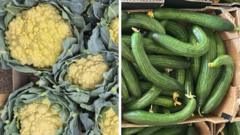
Heatwave Vegetables Transform UK Supermarket Shelves
Heatwave vegetables are becoming increasingly common across British supermarkets as repeated periods of extreme heat reshape agricultural conditions throughout the nation. Rather than viewing these unusual specimens as inferior products, consumers are discovering that heatwave vegetables often represent perfectly edible and flavorful options adapted to changing climate patterns.
The phenomenon of unusual produce appearing on store shelves reflects broader shifts in growing conditions across the United Kingdom. When temperatures soar during summer months, crops respond in unexpected ways, producing vegetables with distinctive characteristics that differ from traditionally expected appearances.
Understanding the Science Behind Unusual Produce
Agricultural scientists have documented how environmental stress triggers unique adaptations in vegetable crops. Sun-tanned cauliflowers develop their distinctive appearance when exposed to intensive heat and sunlight during critical growth stages. Rather than indicating spoilage or poor quality, this discoloration represents the plant's natural response to environmental conditions.
Similarly, knobbly potatoes emerge from soil during drought conditions and temperature fluctuations. These irregularly shaped tubers develop their characteristic bumpy texture as the plant concentrates nutrients while managing water availability during stressful growing seasons. The resulting vegetables remain nutritious and completely safe for consumption.
Climate Change and Agricultural Production
Repeated heatwaves have fundamentally altered growing seasons across Britain. Farmers increasingly adapt cultivation techniques to accommodate warmer temperatures and unpredictable weather patterns. This adaptation process inevitably produces heatwave vegetables that challenge conventional beauty standards established during more stable climate periods.
Supermarket chains have begun educating shoppers about these unusual vegetables, recognizing that consumer acceptance directly influences market demand. By explaining the science behind wonky vegetables and their origin story, retailers encourage customers to embrace produce that might otherwise seem unappealing based purely on appearance.
Consumer Attitudes Toward Wonky Vegetables
British shoppers are gradually shifting their perception of unusual produce. Environmental consciousness drives acceptance of heatwave vegetables, as consumers recognize that rejecting visually imperfect produce contributes to unnecessary food waste. This cultural change represents significant progress toward sustainable consumption patterns.
The sustainability movement emphasizes that perfectly shaped vegetables require intensive intervention, including chemical treatments and selective breeding practices. In contrast, wonky vegetables that develop naturally under stress conditions often require fewer agricultural inputs, making them more environmentally responsible choices.
Nutritional Value and Taste Quality
Research consistently demonstrates that unusual vegetables resulting from heatwave conditions maintain equivalent nutritional profiles compared to conventionally shaped specimens. Sun-tanned cauliflowers deliver the same vitamins, minerals, and fiber content as their pale counterparts. Consumers report that heatwave vegetables often exhibit superior flavor intensity, resulting from concentrated nutrient development during stressful growing conditions.
Chefs and culinary professionals increasingly recognize the culinary advantages of wonky vegetables. The texture and taste characteristics developed during challenging growing seasons translate into enhanced cooking properties and more satisfying flavor profiles.
Future Expectations for Agricultural Produce
Agricultural experts predict that unusual produce will become the norm rather than the exception as climate change progresses. Repeated heatwaves will continue driving selection pressures that favor resilient crop varieties adapted to temperature extremes. This transition presents both challenges and opportunities for food producers and consumers alike.
Understanding and accepting heatwave vegetables represents an essential adaptation strategy for sustainable food systems. As British shoppers navigate changing produce offerings, they participate in a larger cultural evolution toward climate-resilient agriculture and reduced food waste. The vegetables appearing on supermarket shelves today serve as visible reminders of environmental transformation occurring across the United Kingdom.