
Heatwaves Cause Alarming Rise in Fall Injuries
Doctors report surge in elderly falls and dizziness during extreme heat events. Heatwaves strain NHS resources as heat-related health incidents multiply this su...
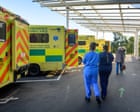
Rising Heatwave Health Crisis Emerges Across NHS Facilities
Medical professionals working in emergency departments nationwide are witnessing an unprecedented surge in heatwave health impact cases, with elderly patients accounting for a significant proportion of admissions. The combination of extreme temperatures and vulnerable populations has created a perfect storm for healthcare systems already stretched to capacity.
Elderly Falls Linked to Temperature Extremes
Emergency medicine specialists have identified a troubling pattern emerging during periods of sustained high temperatures. Dr Adrian Boyle, an emergency consultant at Cambridge's Addenbrooke's Hospital, explains the severity of presentations he and colleagues are encountering daily.
"The predominant complaint we're observing in A&E departments involves elderly patients sustaining falls during extreme heat conditions," Dr Boyle notes. "Throughout this summer's succession of five separate heatwave events, I've documented cases where older individuals experienced sudden onset lightheadedness and vertigo, leading to catastrophic falls down staircases resulting in multiple traumatic injuries."
One particularly severe case illustrated the dangerous consequences of heat-induced physiological changes. An elderly patient experiencing heat-triggered dizziness lost their balance descending a staircase, sustaining multiple rib fractures, wrist injuries, and significant lower leg trauma. Such incidents represent the acute danger that heatwaves pose to one of society's most vulnerable demographics.
Mechanism Behind Heat-Related Falls
The underlying mechanism connecting heatwave health impact to fall incidents involves several physiological responses. When temperatures soar, the body's thermoregulation systems work overtime, diverting blood flow to the skin's surface for cooling purposes. This redistribution of circulation can temporarily reduce blood pressure and oxygen supply to the brain, creating sensations of dizziness and lightheadedness.
For elderly individuals, whose cardiovascular systems are often less efficient and whose medication regimens may interfere with normal fluid retention, these effects are magnified. The combination makes even routine activities like stair navigation extraordinarily hazardous during peak heat conditions.
Compounding Pressure on Healthcare Workers
Beyond the direct patient care challenges, healthcare professionals themselves face severe occupational strain during heatwave events. Emergency departments, already operating at or beyond capacity, become increasingly difficult work environments when external temperatures climb dangerously high.
Nursing staff report struggling to maintain focus and physical stamina while wearing protective equipment in poorly ventilated areas. Doctors describe the cognitive challenges of managing complex cases while operating under thermal stress themselves. The physical and mental demands of emergency medicine intensify considerably when environmental conditions deteriorate.
Broader Health Complications During Extreme Heat
While falls among elderly patients represent the most visible consequence of summer heatwaves, medical teams report a diverse portfolio of heat-related complications requiring emergency intervention. Dehydration leads to acute kidney injuries, heat exhaustion progresses to life-threatening heat stroke, and cardiovascular events spike as hearts struggle under increased physiological demand.
Patients with pre-existing conditions face particular vulnerability. Those taking certain medications experience exaggerated responses to temperature elevation. Individuals with diabetes, heart disease, or respiratory conditions find their conditions destabilized by heat stress.
NHS Resource Constraints Intensify
The convergence of increased patient presentations with existing NHS capacity limitations creates unsustainable conditions. Emergency departments cannot simply expand bed capacity or staff numbers during temporary heatwave events. Yet the volume and acuity of heat-related cases demand exactly this type of surge capability.
Hospital administrators struggle to balance competing demands. Maintaining adequate staffing becomes impossible when workers themselves suffer heat-related illness. Equipment designed for normal operating conditions sometimes malfunctions under extreme environmental stress. Supply chains for intravenous fluids and cooling devices become strained.
Looking Forward: Preparedness and Prevention
The pattern of escalating heatwave-related health emergencies suggests that healthcare systems must fundamentally reconsider their approach to extreme weather events. Current infrastructure and protocols may prove inadequate as climate patterns shift toward more frequent and intense heat events.
Public health messaging emphasizing hydration, activity modification during peak heat hours, and awareness of warning symptoms could reduce preventable emergencies. Meanwhile, healthcare facilities require enhanced cooling systems, expanded emergency capacity protocols, and additional staffing contingencies specifically designated for extreme temperature periods.
The experiences of emergency departments during this summer's multiple heatwaves provide clear evidence that healthcare systems need proactive planning, not merely reactive responses, to manage the growing intersection between extreme weather and public health outcomes.