
Hepatitis B Vaccine Trial Approved in Guinea-Bissau
Danish researchers advance controversial hepatitis B vaccine trial in Guinea-Bissau, withholding doses from newborns. Learn about this disputed vaccine study.
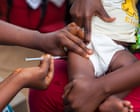
Hepatitis B Vaccine Trial Moves Forward in Guinea-Bissau
A contentious hepatitis B vaccine trial has received regulatory clearance to proceed in Guinea-Bissau this week. The hepatitis B vaccine trial represents a significant milestone for researchers investigating alternative vaccination protocols in West Africa, though it remains highly disputed among public health officials and medical professionals worldwide.
Danish research institutions leading the initiative will conduct the study by providing modified immunization schedules to newborn populations in the region. The trial design involves withholding the standard hepatitis B vaccine dose from certain participants to examine alternative dosing strategies and their long-term health outcomes.
Understanding the Trial Structure
The hepatitis B vaccine trial involves thousands of newborns across multiple health facilities in Guinea-Bissau. Researchers will compare groups receiving conventional vaccination schedules against those receiving modified protocols. This comparative approach aims to generate data on immunological responses and disease prevention effectiveness across different dosing frameworks.
The study protocol requires informed consent from parents and guardians, with detailed information about trial objectives and potential risks. Local health authorities in Guinea-Bissau have established oversight mechanisms to monitor participant safety throughout the research period.
Connection to Vaccine Policy Debates
The hepatitis B vaccine trial aligns with broader discussions about vaccination protocols championed by Robert F Kennedy Jr, the newly appointed secretary of the US Department of Health and Human Services. Kennedy has long advocated for reevaluating standard immunization schedules and investigating alternative approaches to vaccine administration.
Kennedy's appointment to lead HHS has intensified scrutiny of vaccine research initiatives, particularly those involving modifications to established protocols. The hepatitis B vaccine trial in Guinea-Bissau represents one of the first major studies to advance under this evolving policy environment.
International Health Considerations
Guinea-Bissau's selection as the trial location reflects the country's healthcare infrastructure and research participation history. The nation has previously hosted international medical research projects, making it an established site for collaborative health studies in Sub-Saharan Africa.
Public health organizations have expressed concerns about conducting modified vaccine trials in low-income nations, raising ethical questions about research consent and participant protection in resource-limited settings. These debates continue among international medical bodies and advocacy groups monitoring the hepatitis B vaccine trial's implementation.
Regulatory Approval Process
Guinea-Bissau's health regulatory authorities reviewed the hepatitis B vaccine trial proposal through established review mechanisms. The approval process involved evaluation of research methodology, safety protocols, and ethical compliance standards before granting authorization to commence the study.
Approval documentation specifies monitoring requirements and participant reporting procedures. Researchers must submit regular updates on hepatitis B vaccine trial outcomes, adverse events, and immunological data throughout the study duration.
Broader Implications for Vaccine Research
The hepatitis B vaccine trial's approval signals shifting dynamics in international vaccine research governance. Alternative immunization approaches are receiving increased attention as researchers and policymakers explore different strategies for disease prevention and vaccine delivery.
The trial outcomes may influence vaccine policy discussions globally, particularly regarding hepatitis B immunization schedules in developing nations. Findings from this hepatitis B vaccine trial could shape recommendations from international health organizations and national immunization programs.
As the study progresses in Guinea-Bissau, medical professionals and public health authorities will closely monitor results. The hepatitis B vaccine trial represents a critical juncture in ongoing debates about vaccine protocols, research ethics, and disease prevention strategies in global health contexts.