
Indonesia Earthquake: Rescuers Hunt for Survivors After Deadly Tremor
Rescuers search for survivors following a powerful Indonesia earthquake that destroyed hundreds of buildings and claimed 47 lives. Recovery efforts underway.
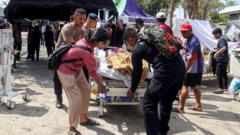
Rescuers Search for Survivors Following Powerful Indonesia Earthquake
Search and rescue teams are conducting intensive operations to locate survivors in the aftermath of a powerful Indonesia earthquake that has devastated multiple regions. The destructive seismic event has prompted widespread emergency response efforts as authorities work to assess the full scope of damage and locate missing persons among the affected communities.
Impact Assessment and Damage Overview
The Indonesia earthquake triggered significant structural damage across the impacted areas, with hundreds of buildings reduced to rubble or severely compromised. Initial reports indicate that at least 47 individuals have lost their lives in the disaster, though officials caution that casualty figures may increase as rescue operations continue and remote areas are accessed.
Government agencies have initiated rapid assessment protocols to evaluate the true extent of destruction caused by the seismic activity. This comprehensive evaluation includes documenting damaged infrastructure, identifying displaced populations, and determining resource requirements for ongoing recovery operations.
Emergency Response and Rescue Operations
First responders and specialized rescue teams have mobilized across affected regions to conduct systematic searches through collapsed structures and debris fields. These operations face significant challenges, including unstable building remnants, limited access to remote communities, and ongoing aftershock activity that poses additional hazards to rescue personnel.
The scale of the Indonesia earthquake response reflects the severity of the disaster. Rescue workers are employing detection equipment and trained search dogs to identify survivors trapped beneath debris. Temporary medical facilities have been established to treat injured individuals, while humanitarian organizations coordinate the distribution of emergency supplies to affected populations.
Government Coordination and Support Measures
Local and national authorities have activated disaster management protocols to coordinate response efforts effectively. Emergency declarations have been issued, enabling expedited deployment of resources and personnel to impacted zones. Officials emphasize that inter-agency coordination remains critical to ensuring comprehensive coverage of all affected communities.
The Indonesia earthquake has prompted requests for international assistance, with neighboring countries and humanitarian organizations offering support to augment local recovery capacity. Coordination between domestic agencies and external partners focuses on maximizing rescue efficiency and providing essential services to affected populations.
Challenges in Recovery Efforts
Rescue operations following the Indonesia earthquake face considerable obstacles. Communication infrastructure damage complicates coordination between response teams and command centers. Additionally, limited access routes to certain communities delay the delivery of rescue personnel and humanitarian aid to isolated populations.
Weather conditions and terrain difficulties further complicate recovery efforts. Rescue teams must navigate challenging geography while maintaining operational safety standards. The Indonesia earthquake's impact on transportation networks has created logistical challenges for moving equipment and supplies to where they are most urgently needed.
Looking Ahead: Recovery and Reconstruction
As immediate rescue operations progress, planning has begun for longer-term reconstruction and recovery initiatives. The Indonesia earthquake has displaced thousands of residents from their homes, necessitating comprehensive shelter and support services. Authorities are developing strategies to address housing shortages and restore essential services including electricity, water, and sanitation systems.
The full assessment of the Indonesia earthquake's impact will take considerable time to complete as teams access all affected areas. Meanwhile, rescue operations remain focused on locating survivors and providing emergency medical care to those injured during the disaster. Continued coordination between all responding agencies will be essential to managing this complex humanitarian crisis effectively.