
Iran Claims Strait of Hormuz Closure Following Israeli Lebanon Operations
Iran announces closure of the Strait of Hormuz in response to Israeli military actions in Lebanon, though US officials dispute the claim ahead of diplomatic tal...
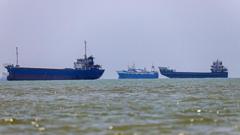
Iran's Strategic Response to Regional Escalation
Iran has declared a complete closure of the Strait of Hormuz following intensified Israeli military operations targeting positions in Lebanon, marking a significant escalation in regional tensions. This announcement regarding the Strait of Hormuz closure comes as diplomatic efforts between Washington and Tehran are scheduled to commence in Switzerland on Sunday, adding complexity to an already volatile situation in the Middle East.
The Iranian government's statement represents one of the most dramatic assertions of control over one of the world's most critical maritime passages, through which approximately one-third of all seaborne traded oil flows. The blockade announcement, if implemented, would have profound implications for global energy markets and international commerce.
US Military Disputes Iranian Claims
The United States military establishment has publicly contested Tehran's assertions about the Strait of Hormuz closure, suggesting that the Iranian statement may be more rhetorical than substantive. Military officials have indicated that there is no evidence of actual physical barriers or enforcement mechanisms preventing vessel transit through the waterway, which separates Iran from Oman and represents a vital corridor for international maritime trade.
The disparity between Iran's declarative posture and American assessments raises questions about the strategic objectives behind such announcements. Experts suggest that Tehran's statement serves multiple purposes: demonstrating resolve to domestic audiences, signaling strength to regional actors, and establishing negotiating positions ahead of the upcoming talks with US representatives.
Timing Amid Diplomatic Negotiations
The timing of Iran's Strait of Hormuz closure announcement is particularly significant given the scheduled negotiations in Switzerland. These talks represent a rare opportunity for direct dialogue between Iranian and American officials, even as military tensions remain elevated throughout the broader region. The coordination between Iran's aggressive rhetoric and the diplomatic calendar suggests calculated strategic messaging.
Previous crises involving the Strait of Hormuz have demonstrated the vulnerability of global supply chains to regional conflicts. Any actual disruption to shipping traffic would trigger immediate international responses and could destabilize markets for crude oil and refined petroleum products worldwide.
Regional Context and Escalation Dynamics
The current confrontation must be understood within the broader context of Israeli military campaigns against Lebanese territories. These operations have intensified regional competition and proxy conflicts between Iran-backed forces and Israeli interests. The Lebanese situation has served as a focal point for competing regional and international powers seeking to advance their strategic objectives.
Iran's response through the announcement of Strait of Hormuz measures reflects its limited conventional military options against Israeli air superiority. Instead, Tehran has historically relied on control over maritime chokepoints and support for non-state actors as counterbalancing strategic assets.
International Implications and Energy Markets
Global energy markets have responded cautiously to Iran's announcement, with oil prices reflecting uncertainty about the credibility and duration of any potential blockade. Insurance costs for vessels traversing the Strait of Hormuz have already begun adjusting to account for elevated geopolitical risk, even without confirmed closure of the waterway.
Major trading partners dependent on Middle Eastern oil exports, including many Asian nations, are monitoring developments closely. Any sustained interruption to Strait of Hormuz traffic would necessitate rerouting through alternative channels, significantly increasing transportation costs and delivery times.
Upcoming Diplomatic Window
The Switzerland talks represent a critical juncture in US-Iran relations during an unusually tense period. American negotiators will face pressure to address Iranian security concerns while maintaining support for regional allies. The success or failure of these negotiations could substantially influence whether the Strait of Hormuz remains open to international commerce or faces genuine disruption.
Iranian negotiating teams have historically used security crises and military posturing as leverage in diplomatic discussions, suggesting that the closure announcement may be partly designed to strengthen Tehran's bargaining position in upcoming talks. The interplay between military escalation and diplomatic engagement remains a central characteristic of US-Iran interactions.