
Iran Signals Openness in Strait of Hormuz Negotiations, Oman Reports
Iran and Oman report positive developments in Strait of Hormuz talks aimed at establishing new shipping routes, despite ongoing tensions and uncertainties about...
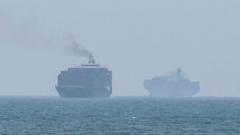
Positive Momentum in Strait of Hormuz Negotiations
Recent diplomatic discussions surrounding the Strait of Hormuz negotiations have shown encouraging signs of progress, according to statements from Oman's government officials. The Strait of Hormuz negotiations represent a critical effort to establish alternative shipping corridors through one of the world's most vital maritime passages. Both Tehran and international stakeholders have indicated willingness to explore new frameworks that could enhance regional stability and facilitate uninterrupted commerce through these strategically important waterways.
The involvement of Oman as a mediator underscores the importance of neutral regional players in resolving complex geopolitical disputes. As a sultanate with longstanding diplomatic ties to multiple parties in the Persian Gulf, Oman has positioned itself as a trusted intermediary capable of facilitating dialogue between Iran and Western nations concerned about maritime security and freedom of navigation.
Current Status of Shipping Route Discussions
Officials involved in the Strait of Hormuz negotiations have described conversations as constructive, with both sides suggesting movement toward consensus on specific technical matters. The proposed shipping routes would establish clearly defined corridors designed to reduce the risk of incidents and provide predictability for commercial vessels transiting the region. These new maritime pathways represent a pragmatic approach to managing traffic through a chokepoint where approximately one-third of all seaborne oil trade passes annually.
However, participants acknowledge that while preliminary discussions have generated optimism, fundamental disagreements on several key issues remain unresolved. The complexity of reaching a comprehensive agreement reflects deep-seated security concerns and competing interests among stakeholders with divergent strategic objectives in the region.
Iran's Position on the Strait of Hormuz Negotiations
Iranian representatives have cautiously endorsed ongoing talks while maintaining firm positions on certain non-negotiable points. Tehran has emphasized that any agreement regarding the Strait of Hormuz negotiations must respect Iran's sovereign rights in territorial waters and acknowledge the nation's security interests in the Persian Gulf. Officials from the Islamic Republic have stressed that improved shipping arrangements alone would not constitute sufficient resolution of broader regional disputes.
Notably, Iranian spokespersons have warned that accepting a new shipping agreement would not automatically reopen international markets or remove economic sanctions affecting Iranian commerce. This distinction reflects Tehran's insistence that maritime navigation improvements represent only one component of a more comprehensive political settlement that would require concessions from multiple parties.
Oman's Mediation Efforts and Regional Stability
The Sultanate of Oman has demonstrated consistent commitment to facilitating constructive dialogue on the Strait of Hormuz negotiations. Oman's geographic position at the mouth of the Persian Gulf and its historical neutrality make it an ideal location for hosting confidential talks. The country's leadership has conveyed that all parties have expressed interest in achieving workable solutions that balance security concerns with economic requirements of the international maritime community.
Omani officials have communicated that recent sessions have focused on technical specifications for proposed shipping corridors, including vessel identification requirements, communication protocols, and mechanisms for addressing incidents. These practical discussions suggest that negotiators are attempting to build agreement on operational details even as political disagreements persist at higher levels.
Challenges and Uncertainties Ahead
Despite recent positive rhetoric surrounding the Strait of Hormuz negotiations, substantial obstacles could derail progress. International sanctions regimes, regional military presence by multiple naval forces, and historical distrust create significant barriers to reaching definitive agreements. Additionally, domestic political pressures within various countries involved in negotiations may constrain the flexibility of official delegations.
Analysts observing the Strait of Hormuz negotiations note that breakthrough announcements would require concurrent resolution of issues extending beyond maritime transportation. The interconnected nature of regional security challenges means that isolated agreements on shipping routes could prove insufficient to reshape the broader geopolitical landscape affecting Persian Gulf stability.
Implications for Global Maritime Commerce
Success in the Strait of Hormuz negotiations would carry profound consequences for global energy markets and international trade. Establishing stable, predictable shipping arrangements would reduce insurance costs, minimize delays, and enhance confidence among shipping companies operating in the region. For petroleum-dependent economies and industries worldwide, even modest improvements in maritime security would translate into economic benefits.
The ongoing Strait of Hormuz negotiations thus extend far beyond regional concerns, affecting energy prices, supply chain reliability, and international commercial relationships. Stakeholders globally remain attentive to developments in these critical talks, recognizing that outcomes could influence economic conditions across multiple continents.
As negotiations continue, both optimism and caution characterize expert assessments of the Strait of Hormuz negotiations. While recent statements suggest genuine interest in problem-solving among participants, the track record of previous initiatives suggests that translating diplomatic progress into binding agreements remains challenging. The coming weeks will reveal whether current positive momentum can overcome entrenched positions and historical grievances impeding resolution.