
Iran's Supreme Leader Absent at Ayatollah Funeral Ceremony
Iran's supreme leader remains absent as senior officials gather for ayatollah's funeral following recent regional tensions and security concerns.
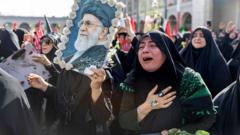
Iran's Supreme Leader Notably Absent From Funeral Service
Iran's supreme leader has been conspicuously absent from a significant funeral ceremony attended by numerous senior government and religious officials. The notable absence at this high-profile state event has drawn attention from international observers monitoring developments in the region and within Iran's political establishment.
The absence of Iran's supreme leader represents an unusual occurrence during such major ceremonial gatherings, where attendance by top leadership is typically considered essential. This public ceremonial absence raises questions about current circumstances within the Iranian government structure and the broader regional context in which these events are unfolding.
Context of Recent Regional Tensions
The funeral service took place amid heightened regional tensions involving multiple international actors. Senior military and religious figures from Iran attended the ceremony, demonstrating the gathering's significance within the nation's political hierarchy and its implications for ongoing developments in the Middle East.
The absence of Iran's supreme leader occurred following a significant incident that claimed the life of an influential ayatollah. This tragic event emerged at a critical juncture in regional affairs, particularly during escalating military operations involving Iran, the United States, and Israel.
Public Visibility and Leadership Presence
Mojtaba Khamenei, a prominent figure in Iranian politics, has maintained a notably low profile in recent weeks, with no confirmed public appearances documented. This extended absence from public view has fueled speculation among political analysts and media outlets regarding his current status and activities.
The lack of public visibility by senior Iranian leadership during such ceremonial occasions is unusual and typically indicates either significant health concerns, security-related precautions, or deliberate political calculations. Government officials have not provided official statements clarifying the circumstances surrounding these absences from major state functions.
Attendance of Other Senior Officials
Despite the absence of Iran's supreme leader, numerous other high-ranking government ministers, military commanders, and religious authorities participated in the funeral proceedings. Their presence underscored the ceremonial importance of the event within Iran's political and religious establishment.
Senior military officials, government ministers, and prominent religious figures from across Iran attended the service, maintaining continuity in the state's formal representation at major events. This collective attendance demonstrated institutional stability despite any questions surrounding specific absences.
Regional and International Implications
The absence of Iran's supreme leader from this prominent state ceremony carries potential implications for international relations and regional stability assessments. Foreign governments and international organizations closely monitor such developments as indicators of internal conditions and potential policy directions within Iran.
Regional analysts have noted that absences from major state ceremonies can signal various underlying conditions, ranging from health considerations to strategic reassessments of Iranian priorities and regional engagement strategies.
Ongoing Developments and Future Outlook
Officials and observers continue monitoring the situation surrounding Iran's leadership and its engagement with major state functions. The circumstances surrounding the absence of Iran's supreme leader from this significant funeral ceremony remain subjects of international attention and speculation among political commentators.
As regional tensions persist and developments continue to unfold, the visibility and public engagement of Iran's supreme leader and other senior officials will likely remain focal points for international monitoring and analysis. The funeral service itself represented a moment of reflection within Iran's political establishment during a period of considerable regional volatility and international scrutiny.