
Labour Triumphs in Greater Manchester Mayor Byelection
Labour secures decisive victory in Greater Manchester mayoral byelection with Bev Craig winning support back from Reform UK and Greens in key areas.
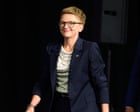
Labour Claims Decisive Victory in Greater Manchester Mayoral Race
The Greater Manchester mayoral byelection has delivered a commanding result for Labour, with the party successfully reclaiming electoral territory that had shifted toward rival parties during recent contests. This significant political outcome reinforces Labour's dominance in one of England's most strategically important metropolitan regions and marks a turning point following mixed results across the country.
Bev Craig, the Manchester city council leader, has emerged as the winner of the Greater Manchester mayoral byelection, establishing herself as the successor to Andy Burnham. Her victory consolidates Labour's control over the mayoral office and demonstrates the party's capacity to mobilize voters in areas that recently showed support for alternative political movements.
Recovering Lost Ground Against Reform and Green Candidates
The results of the Greater Manchester mayoral byelection reveal Labour's success in reclaiming support from constituencies that had drifted toward Reform UK and the Green Party following the May electoral contests. This recovery in voter backing across multiple areas suggests that the party has effectively addressed concerns that previously drove supporters toward protest votes or alternative political options.
The geographical spread of Labour's support indicates particular strength in urban centers and traditional Labour heartlands throughout Greater Manchester. Communities that had expressed dissatisfaction with conventional politics by supporting Reform UK appear to have returned to backing the major centre-left party, suggesting a realignment of voter preferences in the region.
The Significance of the Greater Manchester Mayor Position
The position that Bev Craig now holds represents one of the most influential elected offices in British politics outside the Houses of Parliament. As mayor of Greater Manchester, she will oversee a region with millions of residents and hold responsibility for critical decisions affecting transport, economic development, housing, and public services across ten constituent councils.
Andy Burnham's departure from the role created the necessity for this byelection and opened an opportunity for Labour to reassess its approach to representation and leadership in the region. The party's selection of Bev Craig, an established figure within Manchester local government, reflects confidence in continuity and experience during a period of political transition.
Electoral Patterns and Regional Implications
The outcomes demonstrated in the Greater Manchester mayoral byelection carry broader implications for Labour's positioning ahead of future electoral contests. The party's ability to recover support from voters who had experimented with Reform UK and Green alternatives suggests that messaging around governance competence and local investment may be resonating effectively with the electorate.
Regional analysis shows that Labour's margin of victory was substantial enough to establish a clear mandate for Bev Craig's administration. The distribution of votes across different areas within Greater Manchester indicates consistent support rather than narrow geographic concentrations, pointing to relatively balanced backing throughout the metropolitan county.
Transition and Leadership Continuity
Bev Craig's transition into the mayoral office marks a significant career advancement for the Manchester city council leader. Her background in local government provides her with established relationships across the region's various councils and familiarity with the institutional frameworks through which the mayor operates. This continuity in leadership style and political approach may help maintain policy initiatives begun under Burnham's tenure while allowing scope for new priorities to emerge.
The byelection process itself concluded relatively swiftly after Burnham's announcement of his intention to step down from the position. This timing allowed Labour to consolidate its organizational resources and campaign infrastructure around a single candidate, potentially contributing to the decisive nature of the electoral outcome achieved in the Greater Manchester mayoral byelection.
Looking Forward for Labour in Greater Manchester
With the Greater Manchester mayoral byelection now concluded and Bev Craig established as the region's political leader, attention turns toward the agenda she will pursue during her tenure. Early priorities will likely include reinforcing Labour's support base in areas where Reform made recent gains, while addressing the underlying concerns that drove voter migration toward alternative parties.
The victory provides Labour with renewed confidence in its electoral prospects within the region and potentially signals recovery of momentum in parts of England where the party faced challenges during the May elections. The successful reclamation of support from Reform UK and Green voters, as evidenced in this byelection, may inform the party's broader strategic approach to regional politics and messaging in coming months.