
London Mayor Khan Overrides Soho Opposition on Outdoor Dining
Sadiq Khan uses new powers to implement seasonal outdoor dining in Soho from 2027, overriding local council resistance to the pedestrianisation scheme.
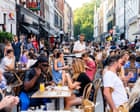
Mayor Khan's Decision on Soho Outdoor Dining
Outdoor dining Soho will become a reality from 2027 as London's mayor Sadiq Khan moves to implement the controversial initiative despite strong local opposition. The mayor has decided to leverage newly granted powers to advance the outdoor dining scheme in the city's iconic entertainment district, marking a significant shift in how London manages its public spaces during warmer months.
Khan's determination to proceed with outdoor dining in Soho comes after Westminster City Council declined to participate in the broader seasonal pedestrianisation program currently rolling out across the capital. This refusal left the door open for mayoral intervention, allowing Khan to exercise his expanded authority over urban planning decisions affecting London's most vibrant neighborhoods.
The Pedestrianisation Scheme Framework
The outdoor dining initiative forms part of a comprehensive seasonal pedestrianisation strategy designed to transform London's approach to urban space utilization. From spring through autumn 2027, restaurants and cafes throughout Soho will be permitted to establish outdoor seating areas, fundamentally changing the district's streetscape and pedestrian experience.
This seasonal approach addresses concerns from both business owners seeking expanded customer capacity and residents advocating for enhanced public space quality. By limiting outdoor dining to warmer months, the scheme balances commercial interests with community needs, allowing streets to return to their previous configuration during winter periods.
Local Council Opposition and Resolution
Westminster City Council's resistance to joining the pedestrianisation initiative created an impasse that threatened to exclude Soho from the capital-wide program. The council's decision reflected longstanding tensions within the community regarding outdoor dining expansion, with various stakeholders holding conflicting views about traffic management, noise levels, and street space allocation.
Khan's decision to override this opposition represents a pivotal moment in the relationship between the Greater London Authority and local councils. By invoking his mayoral powers, Khan demonstrates commitment to implementing what he considers beneficial urban development despite municipal-level disagreement. This approach reflects broader trends in metropolitan governance where centralized authority intervenes when local bodies resist progressive initiatives.
Business and Community Implications
For Soho's restaurant and hospitality sector, the outdoor dining expansion offers substantial economic opportunities. Enhanced outdoor seating capacity allows establishments to serve more customers during peak seasons, potentially increasing revenue and supporting employment growth within the district. The improved al fresco dining experience may also strengthen Soho's reputation as London's premier entertainment destination.
Community members express mixed reactions to the implementation. Supporters emphasize the cultural and economic benefits, noting that outdoor dining enhances the district's vibrancy and attracts both tourists and locals. Critics raise concerns about noise pollution, reduced parking availability, and impacts on residential quality of life, though the seasonal nature of the scheme mitigates some concerns.
Implementation Timeline and Future Expansion
The 2027 launch date provides sufficient runway for infrastructure preparation, regulatory adjustments, and stakeholder consultation. Khan's administration must coordinate with business owners, residents, environmental agencies, and transport authorities to ensure smooth implementation. Planning decisions regarding specific street allocations, seating capacity limits, and operational guidelines will require detailed work over coming months.
Beyond Soho, this initiative signals Khan's broader vision for London's public spaces. The outdoor dining scheme aligns with contemporary urban design principles emphasizing mixed-use environments, pedestrian-friendly infrastructure, and flexible spatial arrangements. Success in Soho could facilitate expansion to other London neighborhoods, creating a network of seasonal outdoor dining zones across the capital.
Regulatory and Administrative Framework
Khan's expanded mayoral powers, recently granted through legislative changes, provide the legal basis for his intervention. These powers allow the mayor to approve seasonal use schemes when local councils decline participation, representing a significant shift in London's governance structure. The regulatory framework establishes clear parameters for outdoor dining operations, addressing health and safety requirements, licensing obligations, and land use restrictions.
Operators must comply with strict guidelines regarding furniture, signage, waste management, and accessibility standards. These requirements ensure that outdoor dining expansion maintains London's quality standards while supporting business viability. Regular monitoring and enforcement mechanisms will track compliance throughout operating seasons, allowing administrators to adjust policies based on real-world experience.
Conclusion
Sadiq Khan's determination to implement outdoor dining in Soho from 2027 represents a decisive action in advancing London's urban transformation agenda. Despite Westminster City Council's opposition, the mayor's exercise of newly granted powers ensures that the entertainment district will participate in the capital-wide seasonal pedestrianisation initiative. This decision balances economic development aspirations with community concerns, establishing a framework for outdoor dining that benefits businesses and enhances public space quality during warmer months. The Soho implementation will serve as a test case for broader metropolitan expansion of similar initiatives across London.