
Model Reflects on Lucian Freud Portrait After £25M Artwork Sale
Sue Tilley recalls her modeling experience with Lucian Freud following the £25M sale of her portrait. Discover insights into the artist's studio and creative pr...
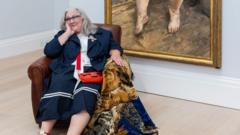
Sue Tilley's Memories of Posing for Lucian Freud
Sue Tilley has shared vivid recollections of her time modeling for the renowned painter Lucian Freud, particularly following the remarkable £25 million auction of her portrait. The legendary Lucian Freud portrait sale represents one of the most significant transactions in contemporary art, placing fresh focus on the relationship between artist and subject that defined this extraordinary creative partnership.
The model recalls a distinctive atmosphere surrounding her sessions at Freud's workspace. Tilley describes the environment as charmingly disheveled, complete with unexpected artistic treasures scattered throughout the studio. Among the most striking details she remembers is a Rodin sculpture positioned unconventionally as a doorstop, a detail that perfectly encapsulates Freud's eclectic approach to his surroundings.
The Studio Experience and Social Atmosphere
During her time working with Lucian Freud, Tilley experienced far more than standard modeling sessions. The champagne lunches she attended created an intimate social context for their creative work. These leisurely occasions provided moments of relaxation between intensive studio hours, offering glimpses into the personal dynamics that influenced their artistic collaboration.
Tilley's accounts paint a picture of an unconventional artistic environment. Rather than a sterile, carefully curated workspace, Freud's studio functioned as a lived-in creative sanctuary. The presence of fine art pieces used for practical purposes—such as the Rodin serving as a doorstop—demonstrates the artist's casual relationship with masterworks and his focus on artistic practice rather than precious displays.
The Significance of the £25 Million Sale
The record-breaking auction price for the Lucian Freud portrait underscores the enduring value and importance of this artistic relationship. The £25 million transaction places Tilley's portrait among the most valuable works in Freud's extensive body of figurative paintings. This monetary valuation reflects broader art market recognition of Freud's contributions to 20th-century portraiture.
The scale of this sale has reignited public interest in the portraits Freud created throughout his career. His distinctive approach to figurative painting, characterized by unflinching realism and psychological intensity, continues to captivate collectors and art enthusiasts worldwide. Tilley's portrait remains a testament to this approach, capturing both her physical presence and an ineffable quality of human authenticity.
Recollecting a Unique Artistic Partnership
Tilley's reflections offer valuable insight into the working relationship between artist and model that produces such significant artistic achievements. Her descriptions of the champagne lunches, the scruffy aesthetic of the studio, and the presence of casual art treasures reveal how Freud's creative process was inseparable from his personal lifestyle and values.
The model's memories also highlight the collaborative nature of portraiture, despite the seemingly solitary act of posing. The conversations, shared moments, and social engagement that occurred during her sessions contributed to the emotional depth visible in the finished work. These interactions transformed what might have been merely technical exercises into profound artistic statements.
Legacy and Lasting Impact
Sue Tilley's account of her experience with Lucian Freud provides contemporary audiences with intimate perspectives on artistic creation at the highest level. As the Lucian Freud portrait sale demonstrates through its extraordinary price point, such collaborations produce works of immense cultural and financial significance.
The artist's influence on portrait painting remains undiminished decades after these sessions occurred. Collectors and institutions continue to value Freud's work for its honest depiction of human subjects and its technical mastery. Tilley's willingness to share her memories enriches public understanding of how these remarkable pieces came into existence, adding narrative depth to the visual record.