
MPs Warn Against Using Parliamentary Procedure on Assisted Dying Bill
Labour MPs urge Commons to avoid forcing assisted dying bill through Lords using obscure procedure, calling it an extraordinary risk before Friday vote.
Cross-Party Warning on Assisted Dying Bill Strategy
The assisted dying bill faces a critical juncture as members from both sides of Parliament have issued a united plea against employing an extraordinary parliamentary maneuver that could bypass the House of Lords' scrutiny process. This cautionary stance emerges just hours before Friday's pivotal vote, reflecting deep concerns about the constitutional implications of forcing legislation through without proper deliberation.
The assisted dying bill has become one of the most contentious issues facing Westminster, with emotional and ethical considerations at its core. The prospect of utilizing an obscure parliamentary procedure to circumvent the Lords' review has sparked alarm among MPs who recognize the gravity of the legislative matter at hand.
Labour MPs Lead Cross-Party Initiative
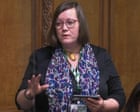
Gareth Snell and Meg Hillier, both Labour parliamentarians, have jointly authored a significant warning letter addressed to their colleagues across party lines. Notably, these two MPs occupy opposite positions on the core issue—Snell voted in favor of the assisted dying bill, while Hillier cast her vote against it, demonstrating that their shared concern transcends individual legislative preferences.
The joint effort by these Labour representatives underscores a broader principle that supersedes partisan disagreement. Both MPs argue that the constitutional framework of Parliament exists for important reasons, particularly when addressing matters of profound public concern that affect the nation's moral and legal landscape.
The Constitutional Argument
The procedure in question represents a mechanism that can effectively neutralize the House of Lords' traditional role as a revising chamber. This raises fundamental questions about parliamentary democracy and the proper channels through which significant legislation should pass. The warning from Snell and Hillier emphasizes that the assisted dying bill deserves scrutiny from both chambers, regardless of whether individual MPs support or oppose the underlying policy.
The House of Lords serves as a crucial deliberative body designed to examine legislation carefully, particularly on matters involving substantial changes to society's foundational institutions and values. When controversial bills face resistance in the upper chamber, using parliamentary procedures to bypass that review mechanism creates what critics term an "extraordinary risk" to democratic process.
Public Significance and Parliamentary Duty
Both MPs maintain that the Lords must be afforded the opportunity to fulfill their constitutional duty in examining the assisted dying bill thoroughly. This stance reflects recognition that bills addressing serious public issues—especially those touching on medical ethics, end-of-life care, and fundamental human rights—require comprehensive consideration across both parliamentary chambers.
The Friday vote represents a watershed moment for how Parliament chooses to handle controversial legislation. The decision made could establish precedent for how future contentious bills are processed, potentially reshaping parliamentary conventions that have evolved over centuries.
Bipartisan Support for Proper Process
What distinguishes this intervention is its explicitly bipartisan nature. Rather than MPs from one side attempting to obstruct or force through legislation, Snell and Hillier's approach focuses on maintaining procedural integrity. Their letter carries particular weight because supporters and opponents of the assisted dying bill have united around the principle that the legislative process itself must not be compromised.
This development suggests that among thoughtful parliamentarians, there exists consensus that certain procedural principles transcend disagreement over policy outcomes. The debate about whether assisted dying should be legal remains contested, but the question of how that debate should unfold procedurally appears to command broader support.
Looking Toward Friday's Decision
As Parliament approaches Friday's vote, the intervention by Snell and Hillier will likely influence deliberations among MPs still considering their positions. Their warning against taking what they characterize as an "extraordinary risk" may give pause to those contemplating using parliamentary procedures to overcome Lords resistance to the assisted dying bill.
The coming days will prove crucial in determining not merely whether the legislation advances, but how the democratic process accommodates profound moral disagreements while maintaining respect for parliamentary institutions and procedures designed to ensure thorough consideration of major policy changes affecting the nation.