
NATO Chief Calls for Enhanced UK and European Military Defense
NATO Secretary General urges UK and Europe to strengthen defense capabilities amid unprecedented security challenges in current geopolitical landscape.
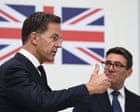
NATO's Call for Stronger Western Defense Posture
The secretary general of NATO, representing a 32-member military alliance, emphasized the critical need for robust NATO defense spending during an official visit to the United Kingdom. Mark Rutte conveyed an urgent message that Western nations must significantly increase their military and financial contributions to address unprecedented security challenges facing the alliance in contemporary geopolitical circumstances.
During his engagement with UK leadership, Rutte stressed that both the United Kingdom and European member states require substantially greater defense capabilities to navigate the complex threat landscape. His remarks underscored the necessity for nations to move beyond existing commitments and establish sustainable, long-term military investments that align with evolving security requirements.
UK's Defense Spending Commitment Under Scrutiny
The NATO chief commended Britain's pledge to elevate defense expenditures in accordance with established alliance standards and international security expectations. Following discussions with senior government officials, Rutte acknowledged the UK's willingness to align its military budget with broader NATO objectives and United States defense frameworks.
However, Rutte's assessment extended beyond immediate commitments, emphasizing that temporary increases in defense spending insufficient to address the persistent nature of contemporary threats. He articulated that sustained, predictable defense investments represent the foundation upon which credible deterrence capabilities must be constructed across the Western alliance.
The Geopolitical Context of NATO's Warnings
The security environment referenced by the NATO secretary general encompasses multiple overlapping challenges that demand coordinated multilateral responses. Regional tensions, technological advancement in military capabilities, and shifting power dynamics create circumstances that require unprecedented levels of interoperability and resource commitment among alliance members.
Rutte's characterization of this period as particularly dangerous reflects assessments from intelligence agencies and defense analysts across NATO member states. The confluence of traditional security concerns with emerging hybrid threats—including cyber operations, disinformation campaigns, and proxy conflicts—requires comprehensive defensive strategies that extend beyond conventional military deterrence.
European Defense Independence and NATO Collaboration
The emphasis on "more Europe" within NATO's strategic framework indicates a recognition that European nations must develop greater autonomous defense capabilities while maintaining robust alliance structures. This approach balances the importance of European strategic autonomy with the continuing necessity for transatlantic security cooperation and burden-sharing.
Several European nations have already increased their defense budgets in response to evolving security assessments. These investments support military modernization, equipment upgrades, and enhanced training initiatives designed to strengthen NATO's collective deterrent capabilities and rapid response mechanisms.
Implications for Allied Nations and Future Commitments
Rutte's visit and subsequent statements carry significant implications for NATO member states' future defense planning and budgetary decisions. His message reinforces that current defense spending trajectories, while improved compared to previous years, remain insufficient to address the comprehensive nature of existing security threats and potential future challenges.
The NATO secretary general's emphasis on continued commitment extends the conversation beyond immediate budget cycles into longer-term strategic planning. This forward-looking perspective acknowledges that security threats are unlikely to diminish in the near term, requiring sustained institutional and financial dedication from all alliance members.
The Role of Hard Power in Contemporary Security Strategy
Central to Rutte's messaging is the assertion that military capability—frequently referred to as "hard power" within strategic discourse—remains essential for effective deterrence and crisis response. While diplomatic engagement and international cooperation maintain importance, the secretary general argues that credible military capacity provides the foundation upon which effective foreign policy operates.
This perspective reflects long-standing strategic doctrine that emphasizes the necessity of maintaining defense capabilities sufficient to discourage potential adversaries from challenging NATO member interests or territorial integrity. The current security assessment suggests that such capabilities require continued enhancement and modernization to address evolving threat profiles.
NATO's institutional position, as articulated through the secretary general's remarks, emphasizes collective responsibility among member states for maintaining alliance credibility and deterrent effectiveness. This framework obligates all members to contribute proportionately to shared security objectives while developing capabilities that address both immediate threats and longer-term strategic challenges facing the Western alliance.