
Netanyahu Rejects Trump's 15-Point Gaza Plan Amid Election Campaign
Netanyahu's rejection of Trump's Gaza plan may be temporary political posturing. Trump administration dismisses response as campaign rhetoric ahead of Israeli e...
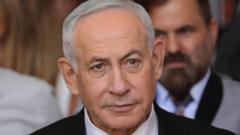
Netanyahu's Stance on Trump's Comprehensive Gaza Initiative
Benjamin Netanyahu has publicly rejected Trump's 15-point Gaza plan, a significant diplomatic proposal designed to address the ongoing humanitarian crisis in the Palestinian territory. However, analysts suggest that Netanyahu's Gaza plan rejection may not represent his final position on the matter, particularly as domestic political pressures continue to mount ahead of upcoming Israeli elections.
The Trump administration's response to Netanyahu's dismissal of the proposal has been notably measured and pragmatic. Rather than interpreting the Israeli prime minister's rejection as a definitive stance, officials within the administration view Netanyahu's Gaza plan response as strategic campaign rhetoric. This assessment reflects a broader understanding of Israeli domestic politics and the electoral pressures facing Netanyahu's government.
Trump Administration's Perspective on the Negotiations
Sources close to the Trump administration indicate that officials remain unbothered by Netanyahu's public rejection. This measured response suggests confidence in the diplomatic process and an understanding that initial objections may not impede eventual agreement on key provisions. The administration's approach demonstrates a sophisticated understanding of how political timing and electoral considerations influence negotiating positions in the Middle East.
The 15-point Gaza plan represents a comprehensive attempt to establish a framework for resolving the humanitarian situation while addressing the security concerns of all parties involved. The proposal encompasses multiple dimensions of conflict resolution, from humanitarian corridors to long-term governance structures.
Electoral Context and Political Calculations
Netanyahu faces significant political pressure from multiple directions within Israeli society. Election campaigns create unique incentives for political leaders to take hardline public positions that may later be reconsidered through diplomatic channels. The Israeli prime minister's rejection of Trump's Gaza plan should be understood within this broader context of electoral competition and political survival.
Analysts specializing in Israeli politics note that such public rejections often serve purposes beyond actual policy disagreement. Campaign positioning, messaging to coalition partners, and electoral base satisfaction all factor into such announcements. Netanyahu's Gaza plan rejection may reflect these domestic political considerations more than fundamental objections to the proposal's substance.
The Broader Diplomatic Framework
The Trump administration's understanding of Netanyahu's rejection as campaign rhetoric suggests ongoing behind-the-scenes diplomatic engagement. This multi-layered approach to Middle East diplomacy distinguishes between public positioning and private negotiations. Officials maintain that substantive discussions continue despite public statements.
The timing of Netanyahu's Gaza plan announcement coincides with intensified electoral activity in Israel. Political parties compete for voter attention through increasingly dramatic statements and policy pronouncements. The administration's interpretation reflects awareness of these domestic political dynamics.
Long-Term Implications and Next Steps
While Netanyahu's immediate rejection of the Gaza plan received significant media attention, diplomatic observers expect the situation to evolve. The Trump administration's confidence in eventual progress suggests belief that current objections represent negotiating positions rather than insurmountable obstacles.
The Netanyahu Gaza plan controversy demonstrates the complex intersection of international diplomacy and domestic electoral politics. What appears as definitive rejection may instead represent a temporary positioning as political circumstances shift. The coming weeks and months will likely clarify whether Netanyahu's Gaza plan opposition softens or hardens as electoral dynamics develop.
Ultimately, the Trump administration's measured response and analysis of Netanyahu's Gaza plan rejection as campaign rhetoric reflects sophisticated understanding of Middle East political contexts. Such interpretations suggest that negotiations may continue despite apparent public discord between the parties involved.