
Netanyahu Rejects Trump's 15-Point Gaza Plan, Demands Hamas Disarmament
Netanyahu refuses Trump's 15-point Gaza proposal, insisting Israeli military maintains full control until Hamas is completely disarmed and neutralized.
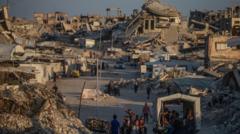
Netanyahu's Firm Stance Against Trump's Gaza Proposal
Prime Minister Benjamin Netanyahu has definitively rejected Trump's 15-point Gaza plan, marking a significant divergence between the Israeli government and the former U.S. president's diplomatic approach to the ongoing Middle East conflict. Netanyahu's rejection centers on his insistence that Israeli armed forces will maintain their operational presence in Gaza until Hamas is completely and verifiably disarmed.
Core Disagreements Over Military Presence
The Israeli leader's position directly contradicts key elements of Trump's proposal, which reportedly envisions various stages of military reduction and territorial transitions. Netanyahu has been unequivocal in his declaration that the Israeli Defense Forces cannot abandon their foothold in Gaza while any threat from Hamas remains present. This stance reflects deep security concerns within Israel's leadership regarding the militant organization's capacity to reconstitute itself following any premature military withdrawal.
Defining "Genuine" Disarmament
Netanyahu emphasizes that Hamas must undergo "genuine" disarmament, a qualification that suggests a comprehensive process rather than symbolic gestures or limited weapons surrenders. The Prime Minister's use of this specific terminology indicates that Israel views partial disarmament agreements as insufficient safeguards against future Hamas aggression and rocket attacks. This rigorous standard sets a high bar for any international negotiations attempting to forge a Gaza settlement.
Strategic Implications of Israel's Position
The Israeli government's rejection of Trump's framework carries substantial implications for regional stability and international diplomacy. By refusing to commit to predetermined military withdrawal timelines, Netanyahu signals that Israeli security considerations will take precedence over international pressure or peace proposals lacking robust enforcement mechanisms. The Israeli military's presence in Gaza has been controversial since the escalation of conflict, with international organizations and humanitarian groups expressing concerns about civilian welfare.
Hamas Disarmament as Non-Negotiable Condition
Israeli officials have consistently maintained that Hamas disarmament represents a foundational requirement for any peace arrangement. The militant organization's military infrastructure, including extensive tunnel networks and weapons stockpiles, has been catalogued extensively by Israeli intelligence agencies. Netanyahu's refusal to accept Trump's plan underscores Israel's determination to ensure that any settlement includes verifiable mechanisms for removing Hamas's capacity to wage future conflicts.
Trump's Proposed Framework
While specific details of Trump's 15-point plan remain partially undisclosed, the proposal reportedly addresses various aspects of Gaza's future governance, reconstruction, and security arrangements. The plan appears to include provisions for gradual military transitions and civilian administration roles, approaches that conflict directly with Netanyahu's security-first methodology. The former president's diplomatic vision, developed without extensive Israeli consultation according to reports, has encountered significant resistance from Tel Aviv's leadership.
International Context and Negotiations
Netanyahu's rejection occurs amid broader international efforts to establish durable peace frameworks addressing Gaza's humanitarian crisis and economic reconstruction needs. Various parties, including regional actors and international organizations, have proposed different approaches to resolving the conflict. However, Israel's insistence on maintaining military control until Hamas disarmament remains a central obstacle to achieving consensus on any comprehensive settlement plan.
Future Diplomatic Prospects
The Israeli Prime Minister's firm rejection suggests that future peace negotiations will require substantially different frameworks than those proposed by Trump. Any viable agreement would need to explicitly address Israeli security requirements and provide credible verification mechanisms for Hamas disarmament. Netanyahu's position indicates that Israel will not compromise on its assessment of necessary conditions for establishing regional security and preventing Hamas's resurgence as a military threat.
Conclusion
Netanyahu's rejection of Trump's 15-point Gaza plan represents a significant moment in ongoing peace efforts, demonstrating the substantial gap between international proposals and Israeli security perspectives. The Israeli government's insistence on complete Hamas disarmament before military withdrawal remains a defining principle in its approach to Gaza's future. Moving forward, diplomatic efforts will need to reconcile these competing visions while addressing the humanitarian and political complexities inherent in Middle Eastern conflict resolution.