
Netflix's Wonka Series Sparks Controversy Over AI-Generated Gene Wilder Voice
Netflix faces backlash for using AI-generated Gene Wilder voice in Wonka show. The actor's estate consented to the digital recreation of his iconic performance.
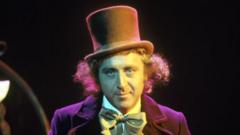
Netflix Wonka Series Draws Criticism for Artificial Intelligence Voice Recreation
The streaming platform Netflix has encountered significant pushback regarding its recent Wonka series, which features an AI-generated voice designed to replicate the distinctive tones of late actor Gene Wilder. The Netflix AI-generated voice controversy has ignited discussions across social media platforms and entertainment industry circles, raising questions about the use of artificial intelligence in recreating performances from deceased performers.
Understanding the Gene Wilder Digital Recreation
Gene Wilder, the legendary actor renowned for his iconic portrayal of Willy Wonka in the 1971 film "Willy Wonka & the Chocolate Factory," passed away in 2016 at the age of 83. Despite his death nearly a decade ago, his digital presence continues through advanced artificial intelligence technology. The Gene Wilder digital recreation in the Netflix production represents a sophisticated application of modern voice synthesis technology, capable of capturing the nuances and characteristics that made his performance memorable to audiences worldwide.
The decision to employ this technology came with the explicit approval and consent of Wilder's estate, ensuring that the family maintained control over how their beloved relative's legacy would be represented in contemporary media. This collaboration between Netflix and the Wilder estate demonstrates the growing intersection between technology companies and entertainment institutions.
The Backlash Against Wonka Series Technology
Despite having obtained necessary permissions, the Wonka series backlash has been notable among viewers and industry professionals. Critics argue that while technically impressive, the use of AI voice technology raises fundamental questions about artistic integrity, authenticity, and the appropriate boundaries for digital resurrection of deceased performers. The controversy extends beyond mere technical achievement to encompass broader ethical considerations about consent, legacy, and the commercialization of a performer's image after death.
Many viewers expressed discomfort with hearing a synthetic recreation rather than authentic Gene Wilder performances. Some questioned whether generating a digital voice, regardless of technological sophistication, honors the actor's memory appropriately or simply exploits his fame for commercial purposes. The debate has resonated particularly strongly among audiences who grew up watching Wilder's original performances and hold deep affection for his work.
AI Voice Technology in Entertainment
The implementation of AI voice technology in entertainment represents a significant shift in how the industry approaches posthumous performances and character recreations. Advanced algorithms now possess the capability to analyze voice patterns, speech rhythms, and emotional inflections, allowing developers to generate remarkably authentic-sounding reproductions. This AI voice technology in entertainment has opened new possibilities for filmmakers and producers, enabling them to revisit classic narratives with beloved performers.
However, this technological advancement carries implications that extend far beyond simple novelty. The ability to recreate any performer's voice raises questions about compensation, consent, and the rights of performers and their estates. Should living actors be concerned about their voices being replicated without future permission? What protections exist to prevent misuse of such technology?
Netflix Ethical Concerns Surrounding the Production
The Netflix ethical concerns highlighted by this production touch upon several interconnected issues within the entertainment industry. First, there is the matter of creative authenticity—whether audiences deserve to know they are hearing a synthetic performance and how this information should be disclosed. Second, there exists a philosophical question about the appropriate use of deceased performers' likenesses and voices in new productions.
Industry observers point out that while Gene Wilder's estate granted consent, this does not necessarily reflect what the actor himself would have chosen had he been alive during the production. The ability to obtain permission from family members differs fundamentally from securing consent from the performer whose voice is being recreated. This distinction has troubled many viewers and prompted broader conversations about performer rights extending beyond death.
The Estate's Position and Approval
The Wilder family's decision to authorize the use of Gene Wilder's voice for the Netflix production stemmed from their desire to preserve and extend his artistic legacy. The estate viewed the collaboration as an opportunity to introduce Wilder's iconic character to new generations of audiences. This perspective reflects one approach to handling deceased performers' intellectual property—leveraging technology to create new content that honors rather than exploits the original performer's contributions.
However, the backlash demonstrates that family approval alone may not be sufficient to satisfy public expectations regarding the ethical use of synthetic voices and digital recreations. Audiences appear to expect additional transparency, clearer disclosure of artificial elements, and perhaps more conservative applications of the technology.
Moving Forward: Standards for Digital Recreation
The Netflix Wonka series controversy serves as a watershed moment for the entertainment industry, prompting critical examination of standards and practices governing AI voice technology applications. Production companies face mounting pressure to establish clearer guidelines about when such technology is appropriate, how it should be disclosed to audiences, and what protections should exist for deceased performers and their legacies.
As artificial intelligence continues advancing, the entertainment industry must grapple with these questions proactively rather than reactively. The Gene Wilder situation, while unique in its specific circumstances, represents a broader challenge that will only become more prevalent as technology enables increasingly convincing digital recreations of deceased performers.