
NHS Trust Removes Breasts Unnecessarily: 20 Women Harmed
Twenty women had unnecessary breast removals at County Durham and Darlington NHS Trust. Hundreds of patients suffered harm during cancer treatment at the breast...
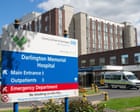
Unnecessary Breast Removal During Cancer Treatment at NHS Trust
An NHS foundation trust in north-east England has confirmed that unnecessary breast removal procedures were performed on twenty women undergoing cancer treatment. The County Durham and Darlington foundation trust (CDDFT) disclosed that this unnecessary breast removal occurred as part of a broader pattern of patient harm affecting hundreds of individuals at its breast unit facilities.
The revelation comes after an investigation revealed systemic issues within the trust's breast care services. The unnecessary breast removal cases represent only a fraction of the total number of patients who experienced adverse outcomes during their treatment course at the institution.
Scale of Patient Harm at Breast Unit
The CDDFT publicly acknowledged that hundreds of patients came to harm while receiving treatment at its breast unit. This widespread pattern of harm extended beyond the unnecessary breast removal cases, suggesting deeper operational and clinical governance failures within the department. The trust's admission marks a significant moment in healthcare accountability, as institutional failures of this magnitude are rarely disclosed so openly to patients and the public.
Investigation and Disclosure
The trust's communication regarding the unnecessary breast removal cases and the broader patient safety issues was made directly to the BBC, signaling an attempt at transparency following what appears to have been an internal or external investigation. The decision to publicly acknowledge the harm experienced by hundreds of patients demonstrates recognition of the severity and scope of the clinical failures.
Implications for Affected Patients
For the twenty women who underwent unnecessary breast removal, the consequences extend beyond the physical removal of tissue. These patients faced emotional trauma, recovery periods, body image challenges, and potential long-term psychological effects. Additionally, the unnecessary procedures exposed these women to surgical risks, anesthesia complications, and infection hazards that could have been avoided entirely through appropriate clinical decision-making.
Broader Context of Healthcare Safety
The unnecessary breast removal incidents at the CDDFT highlight ongoing concerns within the NHS regarding patient safety protocols, clinical oversight, and accountability mechanisms. Breast cancer treatment demands precise diagnostic assessment, collaborative decision-making among multidisciplinary teams, and strict adherence to evidence-based clinical guidelines. When these standards are not maintained, patient harm becomes inevitable.
Quality Assurance Failures
Cases of unnecessary breast removal at an NHS trust typically indicate failures in multiple safety layers. These may include inadequate pathology review processes, insufficient second-opinion mechanisms for major surgical decisions, poor communication between clinical teams, inadequate patient consent procedures that do not ensure informed decision-making, and lack of effective governance oversight that would catch such systematic errors before they affect large numbers of patients.
Impact on NHS Reputation and Public Trust
The disclosure of unnecessary breast removal and widespread patient harm at a major NHS trust affects public confidence in the institution and potentially in NHS cancer services more broadly. Patient trust forms the foundation of effective healthcare delivery, and breaches of that trust through preventable harm create lasting damage that extends beyond individual cases to affect community perception of available medical services.
Patient Safety in Cancer Treatment
Cancer treatment protocols require extraordinary precision because decisions have irreversible consequences. The unnecessary breast removal cases demonstrate that even within a major NHS institution, protective mechanisms may fail to prevent inappropriate surgical intervention. This underscores the necessity for continuous improvement in diagnostic accuracy, multi-disciplinary team discussions, and robust oversight mechanisms across all NHS cancer services.
Organizational Response and Accountability
The CDDFT's acknowledgment of harm is a necessary first step, but affected patients require comprehensive support including clinical review of their cases, explanation of what went wrong, appropriate compensation mechanisms, and assurance that corrective measures have been implemented. The unnecessary breast removal incidents demand thorough investigation into systemic failures and implementation of preventive measures to protect future patients from similar harm.
The emergence of hundreds of patients harmed at the breast unit, including those who underwent unnecessary breast removal, signals the need for external oversight, potential regulatory investigation, and accountability mechanisms that extend beyond the trust's internal processes. Healthcare regulators and oversight bodies must examine how such extensive patient harm could occur without earlier detection and intervention.
Moving Forward
The resolution of the unnecessary breast removal crisis requires multi-faceted action including individual case reviews, institutional governance reform, clinical team retraining, implementation of enhanced safety protocols, and sustained external monitoring. Patients deserve assurance that such preventable harm will not recur and that the NHS remains committed to delivering safe, effective cancer care based on current evidence and individual patient circumstances rather than inappropriate surgical intervention.