
Pakistan Hospital Fire Claims 14 Newborns as Door Access Questioned
A devastating fire at a Pakistani hospital resulted in 14 infant deaths. Hospital authorities dispute witness accounts regarding door security measures and acce...
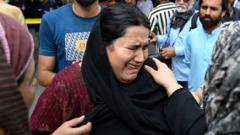
Tragic Fire Incident at Pakistani Medical Facility
A devastating Pakistan hospital fire has claimed the lives of 14 newborns in a neonatal ward, sparking an intense investigation into safety protocols and emergency response procedures. The incident has raised critical questions about building security, emergency exits, and whether adequate measures were in place to protect the most vulnerable patients during the catastrophic event.
Conflicting Accounts Regarding Ward Security
Eyewitness testimonies present a sharply different narrative from the hospital's official statement regarding access to the affected neonatal unit. Multiple witnesses have asserted that the ward entrance remained locked during the fire outbreak, potentially hampering rapid evacuation efforts and rescue operations. These accounts have intensified scrutiny into the hospital's security infrastructure and whether standard safety protocols were being followed.
Hospital administrators have vigorously disputed these claims, issuing statements to international media outlets that contradict witness testimonies. According to the facility's official position, the ward door was never locked but rather staffed with dedicated security personnel positioned to monitor and regulate entry. The hospital maintains that these security guards were stationed at the entrance specifically to safeguard the infants from unauthorized access and potential threats.
Hospital's Defense and Security Measures
The institution has emphasized that its security arrangement was implemented with protective intentions rather than restrictive purposes. Officials argue that maintaining a manned security checkpoint represents a standard practice in modern neonatal facilities, designed to prevent contamination, unauthorized handling of vulnerable patients, and potential security breaches. According to hospital representatives, this system allows authorized medical personnel and family members to enter while maintaining strict control over access to the sensitive ward.
However, safety experts and emergency response professionals have raised concerns about whether such arrangements could impede rapid evacuation during emergency situations. The fundamental tension between security measures designed to protect patients and the need for unobstructed emergency exit routes has become a central point of the ongoing investigation.
Investigation and Safety Protocol Review
Authorities have launched comprehensive investigations into the circumstances surrounding the hospital fire deaths, examining multiple aspects of the facility's operations. Initial inquiries are focusing on fire safety compliance, emergency response procedures, staff training protocols, and the specific arrangements at the neonatal ward during the incident. Investigators are collecting testimonies from survivors, medical staff, family members, and other witnesses present at the facility when the fire started.
The incident has prompted a broader review of safety standards across healthcare institutions in the region. Regulatory bodies are examining whether current regulations adequately address the unique challenges of protecting vulnerable patients, particularly newborns in intensive care units, while maintaining accessible emergency procedures.
Impact on Healthcare Safety Standards
This tragic event has ignited important conversations about balancing competing safety concerns in medical environments. The neonatal ward fire tragedy underscores the critical importance of comprehensive fire safety planning, particularly in units housing the most vulnerable populations. Hospitals must consider how security measures, physical infrastructure, emergency protocols, and staff training work together to ensure optimal protection during emergencies.
Medical facilities across Pakistan and internationally are now reviewing their own safety protocols and security arrangements in light of this incident. Administrators are evaluating whether existing systems adequately prepare staff for rapid response to various emergency scenarios, including fires, medical emergencies, and natural disasters.
Response from Healthcare Authorities
Government health officials and hospital administrators have pledged thorough investigations and potential reforms to prevent similar tragedies. The incident has highlighted the urgent need for updated safety standards, improved emergency training, and regular safety audits in healthcare institutions. Recommendations are being developed to strengthen fire prevention measures, emergency evacuation procedures, and security systems that can be rapidly adapted during crises.
The loss of 14 infants represents an unprecedented tragedy that demands comprehensive action and accountability. As the investigation continues, healthcare authorities must carefully evaluate how to implement security measures that effectively protect patients without compromising emergency response capabilities. The findings from this inquiry will likely influence policy developments and safety standards throughout Pakistan's healthcare system and potentially across similar institutions globally.