
Plug-and-Play Solar Panels: Everything You Need to Know
Discover how plug-in solar panels are transforming home energy. Learn what to know about this emerging technology and its impact on energy bills.
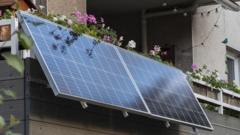
Understanding Plug-In Solar Panels Technology
Plug-in solar panels represent an innovative approach to residential energy consumption, offering homeowners a more accessible entry point into renewable energy adoption. Unlike traditional fixed solar installations, plug-in solar panels provide flexibility and ease of deployment for properties across the country.
The emergence of plug-in solar panels marks a significant shift in how households approach their energy independence. These systems are designed to be user-friendly, allowing homeowners to install and manage their renewable energy generation without extensive professional intervention. As the market expands, retailers nationwide are beginning to stock these products, making them increasingly available to the general public.
Government Support and Energy Savings Potential
The UK government has identified plug-in solar panels as a promising technology for residential energy management. According to government assessments, these systems could enable homes to achieve a significant reduction in their energy costs. This official endorsement reflects growing confidence in the technology's effectiveness and its role in supporting national sustainability objectives.
The potential savings associated with plug-in solar panels extend beyond simple bill reductions. Households that adopt this technology may experience increased energy autonomy and reduced dependence on grid-supplied electricity. The government's backing emphasizes the broader environmental benefits of transitioning residential properties toward cleaner energy sources.
Retail Availability and Market Expansion
A notable development in the renewable energy sector is the growing availability of plug-in solar panels through mainstream retail channels. What was once specialized equipment available only through dedicated solar installers is now becoming accessible through conventional retail outlets. This shift democratizes access to renewable technology, allowing more households to explore solar energy options.
The expansion into retail spaces represents a crucial moment for plug-in solar panels adoption. By placing these products where consumers regularly shop, retailers are removing traditional barriers to entry. This accessibility encourages more homeowners to investigate whether this technology suits their properties and energy needs.
How Plug-In Solar Panels Function
Plug-in solar panels operate on straightforward principles that distinguish them from conventional solar installations. These systems require minimal structural modifications to properties, making them ideal for renters, property owners reluctant to commit to permanent fixtures, or those seeking a trial period before full-scale solar investment.
The simplicity of plug-in solar panel installation contributes to their appeal. Users can typically set up these systems within hours, connecting them directly to standard household electrical outlets. This plug-and-play approach eliminates the need for complex wiring, roof modifications, or specialized contractor services that traditional solar installations demand.
Key Considerations for Homeowners
Before investing in plug-in solar panels, homeowners should evaluate several factors relevant to their specific circumstances. Property orientation, roof condition, local weather patterns, and current energy consumption patterns all influence the effectiveness and return on investment for these systems.
Another important consideration involves understanding the technical specifications of available models. Performance ratings, efficiency levels, warranty coverage, and compatibility with household electrical systems vary significantly among manufacturers. Homeowners should carefully compare options to ensure they select systems matching their requirements and budget constraints.
Environmental and Economic Impact
The widespread adoption of plug-in solar panels could contribute meaningfully to national carbon reduction goals. Each installation represents a step toward decreased fossil fuel consumption at the household level, collectively generating substantial environmental benefits across residential sectors.
From an economic perspective, the growth of plug-in solar panels creates market opportunities for retailers, manufacturers, and installation support services. This expanding sector could generate employment while supporting broader renewable energy transition objectives.
Looking Forward with Solar Technology
As plug-in solar panels become increasingly prevalent in retail environments, consumer awareness and adoption rates will likely accelerate. This democratization of solar technology empowers individual households to participate actively in energy transitions, moving beyond passive consumption toward active energy generation.
The trajectory of plug-in solar panels suggests a future where renewable energy generation becomes a standard household consideration rather than an exceptional choice. With government support, improved retail accessibility, and advancing technology, these systems are poised to play a meaningful role in reshaping residential energy landscapes across the region.