
PM Pledges £100m Emergency Drive to End Rough Sleeping
Prime Minister Andy Burnham launches nationwide campaign with £100m investment to get rough sleepers off streets by Christmas, urging local leaders to take acti...
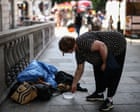
National Homelessness Campaign Launched with Substantial Funding
The Prime Minister has unveiled an ambitious rough sleeping campaign aimed at eliminating street homelessness across England before the festive season. This comprehensive initiative represents a significant commitment to addressing one of the nation's most pressing social challenges. The rough sleeping campaign will mobilize resources, coordinate efforts between government departments, and engage local authorities in unprecedented action to support vulnerable populations during the critical winter months.
Andy Burnham has committed an additional £100 million to this urgent cause, signaling the government's determination to tackle homelessness head-on. This substantial investment reflects growing recognition that rough sleeping has become normalized in British communities, appearing increasingly common on city streets and town centers. The Prime Minister expressed concern that society has grown accustomed to seeing individuals sleeping rough, treating it as an inevitable part of the urban landscape rather than a crisis demanding immediate intervention.
A Covid-Style Mobilization Against Street Homelessness
Drawing parallels to the coordinated national response during the pandemic, Burnham has announced plans for a Covid-style campaign to coordinate the unprecedented effort required to house all rough sleepers this winter. The rough sleeping campaign will leverage the lessons learned from rapid government mobilization, applying similar urgency and organizational frameworks to address homelessness. Local authorities, voluntary organizations, and community leaders will be urged to work in concert, breaking down silos and barriers that have historically hindered comprehensive responses to street homelessness.
The initiative represents more than simply providing emergency shelter. It encompasses a holistic approach designed to address underlying causes of rough sleeping, including mental health support, addiction services, employment pathways, and secure housing solutions. By framing this as a national emergency, the government aims to galvanize political will and public support for sustained action against homelessness in its most visible and acute form.
Local Leadership and Accountability Framework
Central to the rough sleeping campaign strategy is placing responsibility on local leaders and councils. Burnham has explicitly called upon regional mayors, council leaders, and local service providers to establish concrete pathways enabling every rough sleeper to transition from the streets. This devolved approach recognizes that homelessness manifests differently across communities and that local knowledge proves essential for effective intervention.
The government is pledging £442 million overall through 2026, demonstrating a substantial financial commitment to ending rough sleeping. Beyond immediate shelter provision, this funding will support transitional housing, supported accommodation, and wraparound services designed to facilitate long-term housing stability. The rough sleeping campaign acknowledges that temporary solutions prove insufficient; sustainable change requires addressing the complex factors contributing to street homelessness.
Campaigners Welcome Initiative While Demanding Greater Action
Homelessness charities and advocacy organizations have responded positively to the announced rough sleeping campaign, welcoming the increased investment and heightened political attention. However, many campaigners have emphasized that these measures, while encouraging, must be accompanied by broader structural reforms and longer-term commitment. Organizations working frontline with rough sleepers emphasize that winter initiatives, though vital, cannot address homelessness comprehensively without sustained investment in affordable housing, mental health services, and employment support.
Campaigners stress that the rough sleeping campaign must extend beyond Christmas, evolving into a permanent strategic framework for preventing and addressing homelessness. They argue for increased investment in prevention services, particularly support for individuals and families at risk of becoming homeless. Additionally, organizations underscore the importance of involving people with lived experience of rough sleeping in designing and implementing solutions.
Implications for Winter Preparedness
The rough sleeping campaign arrives at a critical juncture, as winter weather dramatically increases risks for rough sleepers. Cold temperatures, health complications, and isolation threaten vulnerable populations sleeping outdoors. The government's commitment to clearing the streets before Christmas creates a defined, ambitious target that will require intensive coordination and resource mobilization.
Local authorities have been advised to develop comprehensive action plans identifying all rough sleepers in their areas and establishing individualized pathways toward housing. The rough sleeping campaign provides funding and political cover for these efforts, potentially enabling faster implementation of accommodation and support services. Success will depend on genuine collaboration between statutory services, voluntary organizations, and communities.
Broader Homelessness Strategy Context
This initiative reflects growing recognition that rough sleeping, though visible and concentrated, represents only one aspect of broader homelessness. The rough sleeping campaign focuses specifically on street homelessness, yet many individuals and families experience hidden homelessness, living in temporary accommodation, hostels, or unsuitable housing. A comprehensive approach to homelessness would address these populations alongside rough sleepers, ensuring no vulnerable person lacks safe, stable housing.
The Prime Minister's commitment signals potential political will for expanded investment in homelessness services. Whether this translates into sustained, long-term policy change and adequate funding for prevention and housing provision remains to be determined. The rough sleeping campaign represents an important opportunity to demonstrate tangible progress against homelessness while establishing momentum for broader reforms addressing housing security and social support systems.