
Remote Surgery Revolution: Surgeons Control Humanoid Robots
Surgeons control humanoid robots remotely in operating theatre. Discover how remote surgery technology is transforming healthcare with advanced robotic systems.
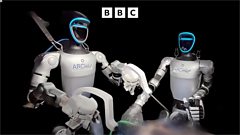
Groundbreaking Achievement in Remote Surgical Operations
A significant milestone in medical technology has been achieved as surgeons successfully demonstrated the ability to remotely control humanoid robots within a surgical environment. This breakthrough in remote surgery robots represents a transformative moment for modern healthcare delivery and surgical precision.
The demonstration showcased two human-like robotic systems being manipulated by experienced surgeons from a distance, performing complex surgical tasks with remarkable accuracy. This achievement opens unprecedented possibilities for surgical procedures, particularly in scenarios where immediate physical presence of specialized surgeons may not be feasible.
How Remote Surgery Robots Function
The technology behind remote surgery robots relies on sophisticated real-time data transmission and responsive mechanical systems. Surgeons interact with specialized control interfaces that translate their movements into precise robotic actions within the operating theatre. The systems incorporate multiple sensors and feedback mechanisms to ensure accuracy and safety during procedures.
Each humanoid robot is equipped with advanced manipulative appendages designed to mimic natural hand movements and precision grip techniques. The connection between the surgeon's controls and the robotic systems operates through high-speed networks, minimizing latency that could compromise surgical outcomes.
Clinical Advantages and Medical Benefits
The implementation of robotic surgery technology addresses several critical challenges in modern medicine. Remote surgery robots eliminate geographical barriers that traditionally restricted access to specialized surgical expertise. Patients in remote regions can now potentially receive treatment from world-renowned surgeons without requiring transportation.
Additionally, these humanoid surgical robots provide enhanced precision compared to traditional surgical approaches. The steady, consistent movements of robotic systems reduce the risk of human tremor and fatigue-related errors. Surgeons maintain complete control throughout procedures while benefiting from technological enhancements that improve accuracy and safety margins.
Technological Innovation in Surgical Automation
The development of these remote surgery robots represents years of engineering advancement and medical research collaboration. Engineers and surgeons worked together to create systems that could faithfully reproduce surgical movements while maintaining the intuitive control that experienced practitioners require.
The humanoid design of these robots proves particularly advantageous, as their anthropomorphic structure allows surgeons to apply existing surgical knowledge directly to robotic operation. This familiarity accelerates adoption rates and reduces the learning curve for medical professionals transitioning to teleoperated surgery systems.
Future Implications for Global Healthcare
The successful demonstration of remote surgery robots marks the beginning of a new era in surgical medicine. As the technology matures and becomes more accessible, hospitals worldwide may establish surgical hubs where specialist surgeons oversee multiple operating theatres simultaneously through robotic intermediaries.
This model of surgical delivery could revolutionize healthcare equity, ensuring that patients regardless of location benefit from specialist expertise. Rural and underserved areas could access procedures previously unavailable due to surgeon scarcity.
Safety Protocols and Regulatory Considerations
Implementation of robotic surgery technology requires stringent safety standards and regulatory approval. Medical authorities are developing comprehensive guidelines for remote surgery robots to ensure patient protection and procedural reliability. These protocols address communication stability, backup systems, and operator certification requirements.
Hospitals adopting these systems must invest in redundant infrastructure, cybersecurity measures, and comprehensive staff training programs to maximize safety and operational efficiency.
Current and Emerging Applications
While the initial demonstration focused on controlled operating theatre conditions, potential applications for remote surgery robots extend across multiple surgical specialties. Complex procedures in cardiology, neurosurgery, and orthopedics could benefit significantly from the precision and control that humanoid surgical robots provide.
Researchers continue exploring expanded capabilities, including integration of augmented reality visualization and artificial intelligence assistance to further enhance surgical outcomes through teleoperated surgery systems.