
Rescued Venezuelan Toddler Receives 'Mother's Love' from Aunt
A 2-year-old Venezuelan boy pulled from debris after earthquakes will receive maternal care from his aunt. Read the rescue story and family reunion details.
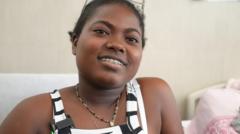
Young Survivor Emerges from Earthquake Rubble
A Venezuelan boy who was miraculously extracted from collapsed structures has given his family renewed hope following the devastating seismic events that struck the region. The rescue of this young Venezuelan boy represents one of the most remarkable survival stories to emerge from last week's natural disaster, capturing international attention and demonstrating the resilience of emergency response teams.
Kleiber Moran, just 2 years old, was pulled from the wreckage on Wednesday, marking the sixth day of search and recovery operations. The toddler's extraction from the rubble came as a beacon of hope amid the widespread destruction and loss of life caused by the powerful earthquakes that ravaged communities throughout the affected areas.
Family's Emotional Response to the Rescue
The child's aunt has expressed her deep commitment to caring for the young survivor, pledging to provide the warmth and affection typically associated with maternal love. Speaking to BBC reporters, she emphasized her unwavering dedication to ensuring the toddler receives the emotional support and nurturing he requires during this critical recovery period.
The aunt's declaration underscores the importance of family bonds in times of crisis, as relatives step forward to fill the void left by the disaster. Her promise to offer comfort and care reflects the strong familial connections that often strengthen in the aftermath of tragedy.
The Broader Impact of the Earthquake Disaster
The earthquakes that prompted the rescue operations were among the deadliest natural disasters to impact the Venezuelan boy's region in recent years. The seismic events caused catastrophic damage to residential areas, infrastructure, and public facilities, displacing numerous families and devastating communities across multiple districts.
Emergency response teams worked tirelessly to locate survivors trapped beneath collapsed buildings and debris fields. The successful extraction of young Kleiber Moran exemplifies the dedication and expertise of rescue personnel who navigated dangerous conditions to save lives.
Recovery and Medical Assessment
Following his extraction from the earthquake debris, the toddler underwent comprehensive medical evaluation to assess his physical condition and identify any injuries sustained during his time beneath the rubble. Medical professionals prioritized his well-being, ensuring that appropriate care and monitoring were implemented immediately after rescue.
The survival of the Venezuelan boy against such extraordinary odds has provided medical teams with valuable insights into pediatric resilience in disaster situations. His case demonstrates how young children can sometimes withstand traumatic circumstances that might prove fatal to older individuals.
Community Response and Support Systems
The rescue operation garnered significant attention from local authorities, humanitarian organizations, and international media outlets. The successful outcome motivated continued search efforts for other potential survivors who may have remained unaccounted for in the affected regions.
Support networks mobilized rapidly to assist displaced families and provide essential services to those impacted by the seismic events. The Venezuelan boy's rescue reinforced the critical importance of maintaining robust emergency response infrastructure and trained personnel capable of responding to large-scale disasters.
Looking Forward: The Path to Recovery
As the Venezuelan boy begins his journey of physical and emotional recovery, his story serves as a testament to human resilience and the power of family support systems during times of crisis. The aunt's commitment to providing maternal warmth and care represents the broader community response to help affected individuals rebuild their lives.
The rescue operation and subsequent family reunification highlight both the challenges posed by natural disasters and the capacity of communities to respond with compassion and determination. Moving forward, the focus remains on ensuring comprehensive recovery services for all survivors affected by the devastating earthquakes.