
Royal Navy Faces Resource Crisis Against Russia in Arctic
MPs warn Royal Navy lacks submarines and warships to counter Russian threats in the high north. Defence committee demands dramatic progress by 2030.
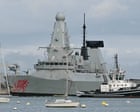
Royal Navy Resources Under Scrutiny Over Arctic Security Concerns
The United Kingdom faces significant challenges in maintaining effective naval presence and deterrence capabilities against Russian operations in the high north, according to recent warnings from parliamentary defence experts. The Royal Navy resources crisis has become increasingly urgent as military analysts highlight critical gaps in submarine and warship availability that could undermine Britain's strategic position in Arctic waters.
Defence committee members have raised serious concerns about the nation's capacity to respond to potential Russian aggression in the Arctic region. The assessment points to multiple systemic issues affecting naval operations and readiness, with officials warning that without immediate action, the UK may struggle to maintain credible deterrence throughout this decade and beyond.
Critical Gaps in Naval Capability
The parliamentary defence select committee has identified several key vulnerabilities within the Royal Navy's current operational structure. These deficiencies represent a departure from historical standards of naval readiness and capability that Britain has traditionally maintained in northern waters.
Submarine Availability Problems
One of the most pressing issues highlighted concerns attack submarine deployment. The committee noted that all five Astute-class attack submarines were simultaneously undergoing maintenance and dock work during summer months, creating a concerning gap in continuous operational capacity. This situation demonstrates the strain placed on the submarine fleet by aging infrastructure, maintenance backlogs, and limited shipyard capacity.
Attack submarines form a critical component of Britain's underwater deterrence strategy. When these vessels are concentrated in repair facilities rather than deployed across operational areas, the nation's ability to monitor threats and maintain presence in strategically important regions becomes severely compromised. The committee emphasized that this pattern cannot continue if Britain wishes to maintain credible deterrence in Arctic operations.
Declining Frigate Numbers
Surface warship availability presents another significant challenge for Royal Navy resources. The committee pointed to declining numbers of operational frigates, which traditionally form the backbone of forward-deployed naval operations. These vessels serve multiple roles, including anti-submarine warfare, air defence, and general maritime security.
Frigate numbers have contracted over recent years due to budget constraints, vessel retirements, and extended maintenance cycles. The current inventory does not align with strategic requirements for maintaining presence across multiple operational theatres while sustaining continuous deployment schedules.
Operational Deployment Challenges
Recent deployment patterns have further illustrated systemic problems within the Royal Navy resources allocation framework. The slow deployment process for HMS Dragon to Cyprus this spring demonstrated logistical difficulties and readiness issues that extended beyond normal timelines.
Such extended deployment schedules create operational gaps and reduce the flexibility available to commanders tasked with responding to emerging threats. When surface vessels require extended preparation periods and face delays in transit operations, the navy's ability to respond rapidly to developing situations in Arctic regions becomes compromised.
Strategic Imperatives for the High North
Russia's increased military activity and assertiveness in Arctic regions has created a more complex security environment for NATO members. The high north represents strategically vital territory where Russian naval and military capabilities continue expanding. Britain's commitment to NATO's northern flank requires sustained naval presence and demonstrated deterrent capability.
Without adequate Royal Navy resources, Britain cannot effectively contribute to collective alliance defence in Arctic waters. Parliamentary defence experts warn that this vulnerability could embolden Russian decision-makers and potentially weaken NATO's cohesion in northern regions where Russian capabilities are most concentrated.
Timeline for Remedial Action
The defence committee has stressed that dramatic progress must occur by the end of this decade if Britain is to restore adequate naval capabilities. This timeline reflects the committee's assessment that current trends, if left unaddressed, will create unacceptable strategic vulnerabilities within the next five to seven years.
Recommendations focus on increased defence spending allocated specifically to naval construction and maintenance, accelerated modernization programmes, and reforms to shipyard efficiency and capacity. The committee also emphasized that personnel recruitment and retention improvements are essential for maintaining operational crews.
Broader Defence Implications
The Royal Navy resources crisis extends beyond technical and operational concerns. It reflects broader questions about Britain's defence investment levels relative to perceived threats and strategic commitments. Parliamentary debate continues regarding optimal allocation of limited defence budgets across competing military requirements.
Defence officials acknowledge that addressing these shortcomings requires sustained commitment and substantial investment. The committee's report suggests that incremental improvements will prove insufficient given the scale of identified deficiencies and the pace at which external threats continue evolving.
Path Forward
Moving beyond current constraints requires coordinated action across government agencies, defence departments, and industrial partners responsible for ship construction and maintenance. The defence committee's findings will likely shape upcoming budgetary decisions and strategic planning exercises focused on naval force structure and capabilities development for the remainder of this decade.