
Russia and Ukraine Trade Increasingly Deadly Strikes
Russia and Ukraine exchange intense military strikes with mounting casualties. Moscow reports nine deaths while Kyiv confirms four fatalities in recent attacks.
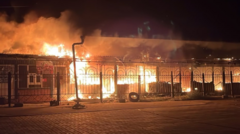
Russia and Ukraine Trade Increasingly Deadly Strikes in Ongoing Conflict
The escalating military tension between Russia and Ukraine continues to intensify as both nations report significant casualties from deadly strikes launched across their territories. Recent developments underscore the persistent nature of the conflict, with military operations resulting in considerable human loss on both sides of the border.
Casualty Reports from Both Sides
According to official statements from Moscow, Russian authorities have documented nine fatalities resulting from Ukrainian military operations during the past 24-hour period. These incidents reflect the ongoing retaliatory nature of the warfare, where both nations respond to perceived threats with coordinated military action.
Meanwhile, Ukrainian officials have provided separate casualty figures, reporting that four deaths have occurred within their territory from Russian military strikes during the same timeframe. These distinct casualty counts highlight the asymmetrical nature of the information warfare accompanying the physical conflict.
Understanding the Escalation Pattern
The exchange of deadly strikes represents a continuation of the broader military strategy employed by both nations throughout this protracted conflict. Each side maintains that their military operations target legitimate strategic objectives, though civilian areas frequently experience collateral damage from these engagements. The pattern of reciprocal attacks demonstrates how the conflict operates in cycles of action and reaction.
Russian military sources characterize their operations as defensive responses to Ukrainian military activity, claiming that their strikes aim at infrastructure and military installations. Similarly, Ukrainian military leadership justifies their operations as necessary defensive measures against Russian aggression and territorial violations.
Humanitarian and Civilian Impact
Beyond the official casualty figures, the deadly strikes inflict broader humanitarian consequences on civilian populations across both territories. Infrastructure damage, displacement, and psychological trauma compound the immediate loss of life recorded in daily casualty counts. Hospitals, schools, and residential areas frequently find themselves in proximity to military targets, increasing the risk of civilian casualties.
International humanitarian organizations have expressed alarm at the mounting death toll and the challenges faced in delivering aid to affected regions. The scale of destruction from these military operations creates significant obstacles to rebuilding and reconstruction efforts even as the conflict persists.
Strategic Military Context
The daily reports of deadly strikes reflect deeper strategic calculations by both military establishments. Russia and Ukraine have demonstrated sophisticated capabilities in targeting each other's military assets and infrastructure. The nature of these strikes—whether targeting military installations, supply lines, or defense systems—indicates the evolution of tactics throughout the conflict.
Military analysts note that the deadly strikes follow established patterns of escalation, where perceived vulnerabilities prompt coordinated responses. The 24-hour casualty reports serve as metrics for understanding the intensity and scope of daily military operations rather than isolated incidents.
Information Warfare and Verification
The discrepancy between casualty figures reported by Moscow and Kyiv reflects the challenge of independently verifying claims during active warfare. Both nations have incentives to characterize themselves favorably in public communications while potentially downplaying their own losses or exaggerating adversary casualties. International monitoring organizations attempt to verify reports, though access to affected areas remains limited.
The deadly strikes documented by both sides represent tangible evidence of continued military engagement. However, the precise breakdown of casualties—whether military personnel, civilians, or infrastructure damage—often remains disputed between the two sides. This pattern of conflicting reports underscores the information battlefield that accompanies physical military operations.
International Response and Concerns
Global observers and international institutions continue monitoring the escalating deadly strikes with concern. The mounting casualty figures contribute to broader discussions about the sustainability and eventual resolution of the conflict. Diplomatic efforts persist despite the continuation of military operations, with various international actors attempting to facilitate negotiations.
The daily reports of casualties and deadly strikes from both Russia and Ukraine serve as stark reminders of the human cost of prolonged military conflict. As operations continue, the accumulation of casualties and damage raises urgent questions about de-escalation pathways and potential resolution mechanisms that could arrest the cycle of reciprocal military operations.