
Russia Loses 6,000 Monthly Troops in Ukraine Beyond Recruitment
Western officials report Russia loses 6,000 more troops monthly in Ukraine than recruited despite 1,000 daily recruitment rate. Analysis of military casualties.
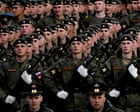
Russia Loses Troops Ukraine at Unsustainable Rate
According to assessments by Western military officials, Russia loses troops Ukraine at an alarming pace that outpaces its recruitment capabilities. The discrepancy is approximately 6,000 additional personnel monthly, creating a significant strategic challenge for Moscow's military operations. Despite aggressive recruitment campaigns across Russian territory, the nation struggles to maintain adequate troop levels needed to sustain ongoing combat operations.
Military analysts emphasize that while Russia continues acquiring battlefield recruits at considerable velocity—approximately 1,000 personnel daily—this acquisition rate has proven insufficient in recent months to compensate for casualties sustained through combat operations. The situation reflects a broader pattern of attrition that threatens the sustainability of Russian military engagement in the region.
Daily Recruitment Falls Short of Casualty Figures
Russia maintains an estimated recruitment rate of 1,000 personnel per day across its armed forces. However, Western defense officials note that even this substantial daily intake cannot adequately replace soldiers killed, wounded, or incapacitated during combat operations. Over the preceding two-month period, this recruitment shortfall became increasingly pronounced, indicating that casualty levels have accelerated beyond previous projections.
The military deficit reveals operational challenges that extend beyond simple numerical losses. Each fallen or wounded soldier represents not only a loss of manpower but also experienced combat personnel whose expertise cannot be quickly replicated through rushed training programs. Replacement troops often lack the battlefield experience necessary to maintain unit cohesion and operational effectiveness.
Strategic Implications of Personnel Shortage
The monthly loss differential of 6,000 troops creates substantial strategic implications for Russian military planning and operational capacity. Military strategists recognize that sustained personnel losses at this magnitude eventually compromise force capability, unit readiness, and overall combat effectiveness. The trend suggests that Russia faces mounting difficulties in maintaining its current operational tempo indefinitely.
Western defense officials have characterized the situation as unsustainable under current conditions. If casualty rates persist at existing levels while recruitment remains constant, Russian military forces will face progressively diminished combat capacity. This dynamic potentially affects Moscow's ability to maintain offensive operations, consolidate territorial gains, or sustain defensive postures across multiple fronts.
Recruitment Efforts and Population Impact
Russia has implemented extensive recruitment drives to address personnel shortages, mobilizing substantial portions of its population for military service. The daily recruitment figure of 1,000 personnel represents one of the most aggressive conscription and voluntary enlistment campaigns the Russian military has undertaken in recent years. Nevertheless, officials acknowledge that these recruitment efforts, while impressive in scale, remain insufficient to offset casualty accumulation.
The recruitment model relies on continuous mobilization of Russian civilians willing or compelled to enter military service. However, the psychological and social costs of sustained conflict begin affecting recruitment quality and sustainability. Extended military campaigns typically generate declining public enthusiasm for military service, potentially affecting future recruitment capability.
Assessment and Outlook
Western military intelligence agencies continue monitoring troop casualty and recruitment statistics as indicators of Russian military sustainability. The 6,000-monthly personnel deficit represents a critical measurement point in understanding how long Russia can maintain current operational levels. Officials emphasize that this assessment, based on available intelligence, reflects conditions during the specific two-month observation period and may fluctuate based on operational intensity.
The broader implications suggest that Russia faces genuine constraints on military personnel availability that will increasingly influence strategic decision-making. Military planners must now confront the reality that indefinite maintenance of current operations faces serious resource limitations related to human capital and battlefield casualties.