
Sir Christopher Ondaatje: Renowned Businessman and Gallery Philanthropist
Sir Christopher Ondaatje, influential Canadian businessman and philanthropist, funded major cultural institutions including the National Portrait Gallery. Learn...
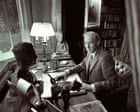
A Successful Career in Finance and Publishing
Sir Christopher Ondaatje established himself as a prominent figure in the world of business and philanthropy, leveraging his success as a publisher and stockbroker on the Canadian stock exchange to become one of Canada's most influential charitable benefactors. By the late 1980s, Sir Christopher Ondaatje had accumulated substantial wealth through his shrewd financial operations and publishing ventures, positioning himself to make an extraordinary impact on British cultural institutions.
His career in stockbroking and publishing demonstrated his acumen for identifying opportunities and maximizing returns. The wealth he accumulated during these decades of professional activity would eventually become the foundation for his transformative philanthropic work. His business background provided him with valuable experience in strategic planning and resource management, skills he would later apply to his charitable endeavors with remarkable effectiveness.
A Life-Changing Decision in Tanzania
In 1988, while on holiday in Tanzania, Sir Christopher Ondaatje experienced a pivotal moment that would reshape the course of his life. During this African sojourn, he made the deliberate choice to step away from his business commitments and redirect his focus toward personal fulfillment and charitable giving. As he recounted during an appearance on BBC Radio 4's Desert Island Discs in 2002, speaking with presenter Sue Lawley, he resolved to dedicate himself to "having fun" – a philosophy that encompassed travel, writing, spending quality time with his family, and distributing his considerable fortune to worthwhile causes.
This transformative decision represented a fundamental shift in priorities. Rather than continuing to accumulate wealth, Sir Christopher Ondaatje chose to become an active steward of cultural and social institutions. His approach reflected a mature understanding that financial success could be channeled toward creating lasting cultural legacies.
Establishing a Personal Base
To facilitate his new chapter, Sir Christopher Ondaatje acquired Glenthorne, an impressive 19th-century residence situated in a secluded location adjacent to the coastline north of Exmoor. This substantial property served as his personal sanctuary and base of operations for his philanthropic activities. The acquisition of this historic home demonstrated his appreciation for architectural heritage and provided him with the space and tranquility necessary to pursue his expanded interests.
Supporting Major British Institutions
With his business interests placed aside, Sir Christopher Ondaatje turned his attention toward strengthening prominent British cultural and educational organizations. His philanthropic portfolio included significant contributions to the National Portrait Gallery, a decision that resulted in substantial institutional transformation. Beyond the gallery, he extended his support to the Royal Geographical Society, an organization dedicated to advancing geographical knowledge and exploration. He also championed the Royal Society of Literature, Britain's oldest literary institution, recognizing the importance of supporting writers and literary culture.
Additionally, Sir Christopher Ondaatje demonstrated his civic engagement by providing financial support to the Labour Party, reflecting his political convictions and commitment to democratic participation. This diverse portfolio of charitable interests showcased his broad vision for improving British society across cultural, educational, and political dimensions.
A Strategic Approach to Philanthropy
Sir Christopher Ondaatje applied the same rigorous methodology to his charitable work that had characterized his business career. Rather than making impulsive donations, he conducted thorough research and analysis to understand how his contributions could generate maximum institutional benefit and transformative impact. This businesslike approach to philanthropy distinguished him from casual donors and positioned him as a sophisticated patron who understood the mechanics of organizational improvement.
His donations were strategically designed to address specific institutional needs and create lasting change. Whether funding new wings, supporting specific programs, or strengthening organizational capacity, his investments were calculated to produce measurable improvements. This methodical strategy reflected his conviction that substantial wealth carried corresponding responsibility to deploy resources wisely and effectively.
A Lasting Legacy
Sir Christopher Ondaatje's transition from corporate executive to cultural patron exemplified how personal wealth could be harnessed for public good. His contributions to Britain's leading cultural institutions created enduring benefits that would serve generations of visitors, scholars, and arts enthusiasts. Through his strategic philanthropy and personal commitment to British cultural life, Sir Christopher Ondaatje left an indelible mark on the nation's artistic and intellectual heritage, cementing his reputation as one of the era's most consequential philanthropists.