
Summer Dress Code Rules: What Your Boss Can Require You to Wear
Learn about summer workplace dress codes and what employers can legally require. Discover fashion guidelines for hot weather while staying professional at work.
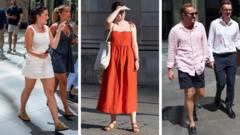
Understanding Summer Dress Code Policies at Work
As temperatures rise during the warmer months, questions about appropriate summer dress code expectations become increasingly common in offices and workplaces. A summer dress code represents the intersection between comfort, professionalism, and employer expectations. Many employees wonder whether their boss has the authority to restrict casual summer clothing like shorts, strappy tops, and sandals, and what legally enforceable guidelines actually exist.
The authority of employers regarding summer dress code requirements varies significantly depending on jurisdiction, industry, and specific company policies. Understanding these boundaries helps both employees and managers navigate workplace fashion choices during hot weather months.
What Rights Do Employers Have Over Summer Dress Code?
Employers generally maintain the legal right to establish and enforce a summer dress code policy, provided these requirements don't discriminate based on protected characteristics such as race, religion, gender, or disability. This means your boss can technically require specific attire standards even when temperatures soar.
However, reasonable accommodations must be considered. If an employee has a medical condition exacerbated by heat or humidity, or if their religion requires specific clothing coverage, employers must engage in dialogue about potential solutions that balance workplace standards with individual needs.
Industry-Specific Summer Dress Code Expectations
Different sectors have varying standards for summer dress code enforcement. Corporate law firms typically maintain stricter guidelines year-round, while tech companies often embrace casual summer dress codes. Creative industries, healthcare facilities, and customer-facing businesses each have distinct approaches to heat-appropriate professional clothing.
Popular Summer Clothing Items and Their Acceptability
Shorts in the Workplace
Shorts remain one of the most debated summer dress code items. While some progressive companies permit dress shorts or tailored bermudas, traditional corporate environments often prohibit knee-length or shorter bottoms entirely. The appropriateness depends on your specific workplace culture and client-interaction requirements.
Strappy Tops and Sleeveless Garments
Strappy tops and sleeveless blouses present another summer dress code consideration. Many workplaces establish guidelines requiring minimum strap width or mandating that shoulders remain covered. Tank tops are frequently prohibited, while structured sleeveless shells with accompanying jackets might be acceptable.
Footwear Choices: Sandals and Open-Toe Options
Sandals represent perhaps the most casual summer footwear option. Traditional dress codes often restrict sandals entirely, while some modern workplaces permit tasteful leather sandals or dressy flip-flops. Safety-sensitive environments may prohibit open-toe footwear regardless of temperature.
Practical Strategies for Summer Workplace Dressing
Successfully navigating summer dress code requirements involves strategic clothing selections. Lightweight fabrics like linen, cotton blends, and moisture-wicking synthetics help maintain comfort while meeting professional standards. Lightweight cardigans and blazers provide layering options that transform casual pieces into more formal summer dress code-compliant outfits.
Light colors reflect heat more effectively than dark tones, making them ideal for summer workplace fashion. Breathable materials allow air circulation while maintaining a professional appearance throughout the day.
Employee Rights and Employer Responsibilities
While employers can establish summer dress code policies, they must communicate these clearly and apply them consistently. A legitimate summer dress code should be documented in employee handbooks or policy manuals, not enforced arbitrarily or subject to subjective interpretation.
Employees facing discriminatory enforcement of summer dress code policies—such as rules applied differently based on gender, age, or other protected characteristics—may have legal recourse. Documentation of inconsistent enforcement strengthens potential claims.
Creating a Mutually Beneficial Summer Dress Code Agreement
Progressive companies recognize that overly restrictive summer dress codes can negatively impact employee morale and productivity during uncomfortable months. Some organizations implement seasonal policy adjustments, allowing slightly more casual summer dress code accommodations while maintaining professionalism.
Open communication between employees and management about summer dress code concerns often produces reasonable compromises. Many workplaces find success with designated "summer casual" days or flexible summer dress code policies that recognize heat-related comfort needs while preserving professional standards.
Legal Considerations for Summer Dress Code Enforcement
Employment law generally permits employers to establish appearance standards, including summer dress code requirements. However, courts have occasionally ruled against summer dress code policies that impose disproportionate burdens on specific employee groups or conflict with sincerely held religious beliefs.
Employees should review their organization's employee handbook for specific summer dress code policies and understand how these guidelines apply to their role and department.
Conclusion
Your boss generally possesses authority to establish and enforce summer dress code policies, though these must remain reasonable, non-discriminatory, and clearly communicated. Success in navigating workplace summer fashion involves understanding your employer's specific requirements, making strategic clothing choices that balance comfort with professionalism, and initiating respectful dialogue if summer dress code policies seem unreasonable or unfairly applied. By combining practical knowledge of workplace expectations with thoughtful garment selection, employees can maintain both comfort and professional credibility during summer months.