
Support Network Helps Survivors of Drug-Facilitated Sexual Assault
International support group for drug-facilitated rape survivors grows rapidly. Two founders share their stories and call for stronger legal protections against...
Growing International Network Provides Hope for Drug-Facilitated Sexual Assault Survivors
An emerging international support network dedicated to assisting survivors of drug-facilitated sexual assault has attracted hundreds of participants seeking community and justice. The platform, established by two women with firsthand experience of these devastating crimes, has already mobilized approximately 80 members within the United Kingdom alone, with additional participants joining from around the globe. This groundbreaking initiative addresses a historically underreported form of violent crime that leaves victims traumatized and often struggling to find adequate support systems.
Founders' Courage Sparks a Movement
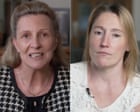
Zoe Watts and Amanda Stanhope established this vital network following their own harrowing experiences. Both women endured repeated sexual assaults while rendered unconscious by substances administered without their knowledge or consent by intimate partners. Their decision to transform personal tragedy into collective action has created a safe space where survivors can share experiences, access resources, and work toward healing. By publicly sharing their stories, Watts and Stanhope have broken the silence surrounding drug-facilitated sexual assault and encouraged others to come forward.
The Scale of the Problem
The rapid growth of this support network underscores the serious prevalence of drug-facilitated sexual assault within communities. The substantial number of individuals—hundreds globally, with significant representation from the UK—demonstrates that this form of abuse affects far more people than many realize. Many survivors remain silent due to shame, fear, or lack of understanding about available resources. The establishment of this international platform has provided validation and community for those who previously felt isolated in their experiences.
Calling for Stronger Legal Protections
Beyond providing emotional support, Watts and Stanhope are leveraging their platform to advocate for meaningful legislative change. They are specifically urging lawmakers to implement stricter regulations targeting the distribution and sharing of explicit images and videos documenting sexual assaults and rape. Currently, many jurisdictions lack comprehensive laws addressing this form of digital exploitation, which compounds the trauma experienced by survivors. When perpetrators share footage of their crimes online, victims face repeated violation and humiliation even after the initial assault ends.
Digital Exploitation as a Secondary Victimization
The proliferation of such material across the internet represents a critical gap in victim protection. Many survivors discover that footage of their assault has been distributed without consent, transforming private violence into public humiliation. Watts and Stanhope emphasize that stricter laws are essential to prevent perpetrators from weaponizing recorded evidence of their crimes. This advocacy work complements the emotional and practical support their network provides, addressing both immediate healing needs and systemic barriers to justice.
Building Community and Fostering Recovery
The support group functions as more than a platform for survivors to share stories—it serves as a catalyst for mutual healing and collective empowerment. Members access information about reporting options, medical care, counseling resources, and legal pathways available in their respective countries. The network acknowledges the international nature of trauma and recognizes that survivors across different regions face distinct challenges depending on local laws, cultural attitudes, and institutional responses to sexual violence.
Resources and Support Services
Participants benefit from peer-to-peer connections with others who truly understand the complex aftermath of drug-facilitated sexual assault. Beyond emotional support, the network provides practical guidance on navigating healthcare systems, law enforcement interactions, and legal proceedings. Many survivors struggle with physical aftereffects, including toxicology evidence loss, while simultaneously processing profound psychological trauma. The community helps members understand their rights and options at each stage of recovery and potential justice-seeking processes.
Systemic Change and Future Advocacy
As the network continues expanding, Watts and Stanhope remain committed to translating survivor experiences into policy recommendations. They are working toward legislative frameworks that comprehensively address digital exploitation, support victim access to justice, and hold perpetrators accountable. This work represents a significant shift in how societies approach drug-facilitated sexual assault—moving from individual traumas hidden in silence toward coordinated, visible demands for systemic accountability.
The emergence of this international support group demonstrates both the severity of drug-facilitated sexual assault and the resilience of survivors. By creating community among hundreds of individuals worldwide, Watts and Stanhope have established a powerful platform for healing, advocacy, and change. Their work continues to inspire conversations about consent, perpetrator accountability, and the necessity of stronger legal protections in an increasingly digital world.