
Top Gear Passenger Files Lawsuit Against BBC Studios Over Flintoff Crash
Expert driver Paul Rees pursues personal injury claim against BBC Studios following Andrew Flintoff's Top Gear accident. Learn details about the dispute.
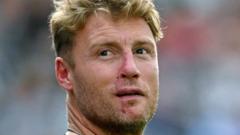
Top Gear Crash Lawsuit Unfolds Between Expert Driver and BBC Studios
A significant legal dispute has emerged following an incident involving television presenter Andrew Flintoff during the filming of the popular automotive entertainment show. Expert driver Paul Rees has initiated a lawsuit against BBC Studios, seeking compensation for injuries sustained during the Top Gear crash. The case represents a notable development in television production accountability and safety protocols on high-risk entertainment programs.
Details of the Personal Injury Claim
Paul Rees, an experienced professional driver, has formally filed a personal injury claim in connection with the Top Gear crash incident. The claim alleges that Rees suffered damages as a result of the accident that occurred during production activities. According to the lawsuit, the incident resulted in physical harm requiring medical attention and ongoing care. The Top Gear crash has raised important questions about safety procedures and risk management protocols implemented during the filming of automotive stunt sequences.
BBC Studios' Position and Legal Defense
BBC Studios has officially disputed the personal injury claim brought forth by Paul Rees. The corporation maintains its position regarding the circumstances surrounding the Top Gear crash and contests the liability allegations presented in the lawsuit. The broadcaster's legal team is actively defending against the compensation demands, arguing their case based on established safety procedures and contractual agreements. This contested nature of the claim indicates a complex legal battle likely to involve detailed examination of production protocols and industry standards.
Impact on Television Production Standards
The lawsuit involving the Top Gear crash has broader implications for how television networks approach safety on entertainment programs featuring high-risk activities. Industry observers point to this case as a potential benchmark for establishing enhanced safety measures and liability frameworks. Production companies across the entertainment sector are monitoring the proceedings closely, as the outcome may influence how they implement protective measures for on-camera talent and crew members involved in dangerous sequences.
Andrew Flintoff's Involvement in the Incident
Andrew Flintoff, the prominent television personality known for his work on Top Gear, was the driver involved in the accident that precipitated the Top Gear crash lawsuit. The incident became significant enough to warrant legal action from a professional driver who was present during the filming. Questions have emerged regarding the circumstances that led to the accident and whether all appropriate safety protocols were properly executed. The collision raised awareness about the inherent risks associated with automotive entertainment programming.
Legal Process and Timeline
The personal injury claim filed by Paul Rees represents the initial stages of what could become a prolonged legal process. Both parties are expected to provide evidence and testimony regarding the Top Gear crash incident. Discovery proceedings typically involve detailed documentation of filming protocols, safety briefings, insurance coverage, and medical records related to the injuries sustained. Legal experts suggest that settlements or court determinations in similar cases often take considerable time to resolve, given the complexity of entertainment industry liability issues.
Broader Context of On-Set Safety
This lawsuit brings renewed attention to safety considerations on entertainment productions, particularly those involving vehicles and high-speed demonstrations. The Top Gear crash case exemplifies how serious incidents can escalate into formal legal disputes when injuries occur. Insurance companies, production coordinators, and safety consultants continue to develop more robust protocols to minimize risks. Professional drivers working in television production face unique occupational hazards that distinguish their work from standard employment scenarios.
Looking Forward
As the case proceeds through legal channels, the Top Gear crash dispute will likely generate additional scrutiny regarding production safety standards. Both Paul Rees and BBC Studios will present their respective arguments before the appropriate judicial authorities. The outcome of this personal injury claim could establish important precedents for how entertainment networks handle accidents and subsequent litigation claims from injured parties involved in production activities. Industry stakeholders await the resolution of this significant case with considerable interest.