
Trump Cancels 20% Strait Fee Plan as US Intensifies Iran Port Blockade
Trump abandons his 24-hour tariff threat on Hormuz cargo amid continued US efforts to enforce Iran port blockade. Latest developments.
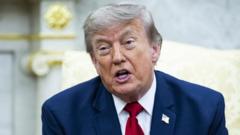
Trump Reverses Course on Hormuz Shipping Tariffs
In a significant policy reversal, President Trump has abandoned his controversial proposal to impose a 20% tariff on cargo vessels transiting through the Strait of Hormuz. The Trump Hormuz tariff policy, announced just 24 hours prior, has been rescinded as the United States maintains its aggressive campaign to constrain Iran's maritime operations and reinforce its economic blockade strategy.
The decision marks a dramatic shift in Trump's approach to managing shipping through one of the world's most critical maritime corridors. Administration officials indicated that the tariff mechanism was deemed counterproductive to broader geopolitical objectives, despite initial rhetoric suggesting it would fund defensive operations in the region.
Context of the Blockade Strategy
The Trump Hormuz tariff policy cancellation occurs amid ongoing US military presence and enforcement actions targeting Iran's port infrastructure. The administration has maintained stringent measures designed to restrict Iranian export capabilities, particularly regarding petroleum products and other commodities essential to the nation's economy.
US naval forces have intensified patrol operations throughout the Strait, creating what officials describe as a comprehensive containment framework. The Iran port blockade represents a cornerstone of Washington's maximum pressure campaign, implemented through coordinated sanctions and maritime interdiction efforts.
International Shipping Implications
Global shipping interests had expressed significant concerns regarding the proposed 20% toll mechanism. Major maritime operators warned that such tariffs would disrupt international commerce and create precedents for other nations to impose similar restrictions on critical waterways.
Commercial shipping associations had mobilized diplomatic channels to oppose the Strait fee structure, arguing that unilateral charges on international passage would violate established maritime conventions and potentially destabilize regional trade patterns. The reversal reflects these substantial industry pressures and international diplomatic objections.
Strategic Objectives Behind Current Policy
The Strait of Hormuz cargo fees proposal, despite its brief lifespan, revealed administration thinking about monetizing geopolitical leverage. However, policymakers ultimately concluded that direct tariffs would generate insufficient revenue while creating excessive diplomatic complications.
Instead, the US continues employing traditional sanctions mechanisms and naval enforcement to achieve its Iran port blockade objectives. This approach maintains pressure on Iranian revenues without the complications of implementing and collecting international maritime tariffs.
Regional Security Dynamics
The Middle East maritime security situation remains extraordinarily tense, with multiple state and non-state actors competing for influence along crucial shipping lanes. The Trump administration's strategy centers on denying Iran the economic resources necessary to sustain its regional military infrastructure and proxy operations.
Intelligence assessments indicate that sustained economic pressure, implemented through existing sanctions architecture rather than new tariff mechanisms, achieves measurable effects on Iranian military procurement and operational capabilities. The blockade strategy encompasses targeted vessel inspections, financial institution restrictions, and diplomatic isolation.
Future Policy Direction
Administration officials have signaled that while the Hormuz tariff proposal has been shelved, pressure campaigns against Iran will persist through alternative mechanisms. These include enhanced maritime surveillance, expanded secondary sanctions against trading partners, and diplomatic initiatives with regional allies to enforce compliance with US objectives.
The reversal suggests internal debates within the administration regarding the optimal balance between direct revenue generation and maintaining international coalition support for Iran containment policies. Policymakers apparently determined that the reputational costs of implementing explicit shipping tolls outweighed the financial benefits.
Going forward, the Trump administration's Iran policy will likely emphasize existing enforcement tools while exploring more subtle economic mechanisms that achieve similar containment effects without the diplomatic friction of overt tariff structures. The decision underscores the complex calculations involved in managing geopolitical competition through maritime domains.