
Trump Explores AI Safety Measures Following OpenAI Security Breaches
Trump administration shifts stance on artificial intelligence policy, considering new AI controls after recent OpenAI hacking incidents compromise cybersecurity...
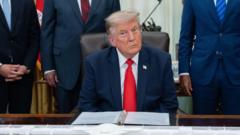
Trump Administration Shifts Stance on Artificial Intelligence Oversight
The Trump administration is currently evaluating potential AI controls after hacking incidents targeting OpenAI have exposed significant vulnerabilities in the sector's cybersecurity infrastructure. This development represents a notable departure from the administration's previously established approach toward artificial intelligence governance, which has historically favored minimal regulatory intervention and market-driven solutions.
Recent breaches affecting OpenAI have prompted policymakers to reassess the balance between innovation encouragement and security protection. These incidents have highlighted critical gaps in how leading AI companies safeguard sensitive systems and user data against sophisticated cyber threats. The administration's emerging consideration of regulatory frameworks marks a strategic pivot in how federal authorities approach technology sector oversight.
Understanding the Policy Shift on Technology Regulation
Previously, the Trump administration maintained a deregulatory stance across multiple technology sectors, prioritizing business growth and competitiveness over stringent government oversight. However, the gravity of recent OpenAI security breaches has forced leadership to contemplate whether existing safeguards adequately protect national interests and consumer privacy.
The potential implementation of AI controls after hacking incidents would represent a more interventionist approach than what the administration has traditionally championed. This shift suggests growing recognition that artificial intelligence's expanding role in critical infrastructure, national security, and consumer applications warrants federal attention and coordinated security protocols.
Cybersecurity Challenges in the AI Sector
The OpenAI hacking incidents have underscored the sophisticated nature of threats targeting advanced technology companies. Cybercriminals and state-sponsored actors increasingly recognize the strategic value of compromising AI systems, which control enormous amounts of data and influence technological development priorities.
Security experts emphasize that AI controls after hacking must address multiple vulnerabilities: system architecture weaknesses, employee training deficiencies, and inadequate incident response protocols. The administration's contemplated measures would likely target these fundamental security challenges while attempting to preserve the sector's capacity for innovation and rapid development.
Implications for the Artificial Intelligence Industry
Any new regulatory framework governing artificial intelligence development could substantially impact how companies like OpenAI operate. Mandatory security audits, incident reporting requirements, and compliance certifications would increase operational costs while potentially slowing product launches and research initiatives.
However, industry analysts recognize that establishing clear security standards could ultimately benefit responsible AI developers. Companies demonstrating robust cybersecurity practices would gain competitive advantages, while those neglecting security investment would face regulatory consequences. This creates incentives for genuine security improvements rather than cosmetic compliance measures.
National Security Considerations
The administration's evaluation of AI controls after hacking incidents also reflects broader national security concerns. Artificial intelligence systems increasingly influence critical infrastructure, military applications, and intelligence operations. Compromised AI systems could pose significant risks to American security interests.
Federal policymakers must balance protecting sensitive AI research and infrastructure against ensuring that regulatory measures do not undermine American technological leadership in global competition with China and other international competitors. The emerging policy approach attempts to strengthen cybersecurity without ceding technological advantages to adversarial nations.
Stakeholder Perspectives on Proposed Regulations
Technology industry representatives have expressed mixed reactions to potential new AI controls. Some support enhanced security standards as necessary protections for critical systems. Others worry that poorly designed regulations could impose unnecessary compliance burdens while failing to meaningfully improve security outcomes.
Cybersecurity professionals generally advocate for AI controls after hacking that focus on outcome-based security requirements rather than prescriptive technical specifications. This approach would allow companies flexibility in achieving security objectives while maintaining accountability for protecting systems and user data.
Future Directions for AI Security Policy
The administration's current evaluation represents an early stage in potential policy development. Any formal regulations would likely emerge through interagency coordination, involving the Department of Defense, Department of Commerce, and intelligence community representatives. These entities would collaborate to develop security standards reflecting national security requirements and technological realities.
The coming months will clarify whether the administration implements comprehensive new regulations or pursues a more targeted approach addressing specific vulnerabilities revealed by recent OpenAI incidents. Either path represents significant movement from the administration's traditional hands-off technology governance philosophy toward more active federal involvement in AI security oversight.