
Trump Switches Planes Over Iran Tensions: A High-Risk Presidential Gambit
Trump changes aircraft mid-journey amid escalating Iran conflict. Explore the security implications and personal stakes behind this dramatic presidential decisi...
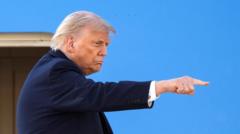
Trump's Aircraft Switch Signals Escalating Iran Crisis
In a move that underscores the gravity of ongoing Trump Iran tensions, the 45th president made an unexpected change to his aircraft arrangements, triggering widespread speculation about the severity of potential threats and the personal implications of deepening hostilities with Tehran. This extraordinary decision reflects the mounting pressure and security concerns that have come to define a relationship marked by confrontation, sanctions, and military posturing.
Understanding the Context of Trump-Iran Relations
The Trump Iran tensions have been characterized by a series of dramatic events since the administration's withdrawal from the Joint Comprehensive Plan of Action (JCPOA) in 2018. This pivotal moment set the stage for years of escalating conflict, including the assassination of Iranian military commander Qasem Soleimani and subsequent retaliatory strikes. The recent aircraft change represents another chapter in what has become an increasingly volatile chapter of U.S.-Iranian relations.
Historical Background of the Conflict
To comprehend the significance of Trump's decision to switch planes, one must understand the broader historical context of American-Iranian relations. The relationship has been fraught with tension since the 1979 Islamic Revolution, but the Trump administration's approach represented a dramatic departure from the diplomatic strategy pursued by previous administrations. The maximum pressure campaign, coupled with military posturing, created an environment where security threats became more than theoretical concerns.
The Mechanics and Implications of Presidential Aircraft Security
Presidential aircraft switches are not routine occurrences. Such decisions typically involve extensive coordination between the Secret Service, military advisors, and intelligence agencies who assess threat levels and determine whether alternative transportation becomes necessary. The fact that Trump chose to change planes suggests that security personnel identified circumstances serious enough to warrant disrupting the presidential schedule and implementing emergency protocols.
The use of multiple aircraft serves as a traditional security measure, as potential adversaries cannot definitively know which plane carries the president. However, announcing or implementing such a change publicly inevitably raises questions about the specific nature of threats that prompted the action. Intelligence assessments regarding Iranian capabilities and intentions likely played a crucial role in this decision-making process.
Personal Stakes in the Iran Conflict
Beyond the geopolitical dimensions, Trump's decision to change aircraft suggests deeply personal dimensions to the Trump Iran tensions. Previous presidents have faced international crises, but few have experienced the level of direct military confrontation and explicit threats of retaliation that characterized Trump's approach to Iran policy. The aircraft switch hints at concerns that extend beyond standard presidential security protocols.
The administration's aggressive stance toward Iran, including economic sanctions and military deployments in the Persian Gulf region, created an environment where the possibility of Iranian retaliation became increasingly concrete. Trump's willingness to pursue policies he believed necessary, even as they escalated tensions with a nation possessing sophisticated military capabilities, placed him in a uniquely vulnerable position as both a political leader and an individual subject to security threats.
Intelligence Assessments and Threat Evaluation
Intelligence agencies continuously monitor developments in hostile nations and assess their capabilities and intentions. The decision to switch aircraft would have been based on specific intelligence about Iranian capabilities, such as advances in drone technology and ballistic missile systems, combined with assessments of political intentions and willingness to engage in direct confrontation.
Intelligence professionals must distinguish between capability and intention, between rhetoric and actual plans. A decision to implement emergency protocols like aircraft changes suggests that intelligence assessments had elevated the concern from theoretical possibility to actionable threat requiring immediate protective measures.
The Broader Pattern of Escalation
Trump's aircraft change represents just one moment in a broader pattern of escalating tensions between the United States and Iran. The relationship has oscillated between periods of apparent restraint and dramatic confrontation, with miscalculation and misunderstanding creating dangerous situations. Each side's actions have triggered reactions, creating a cycle that has brought the two nations perilously close to full-scale military conflict on multiple occasions.
The dramatic nature of the aircraft switch serves as a public manifestation of private security concerns and strategic calculations happening behind closed doors. It demonstrates the tangible consequences of geopolitical conflict at the highest levels of leadership, where abstract policy decisions translate into concrete security measures and personal risk.
Conclusion: The Cost of Confrontation
Trump's decision to change aircraft mid-journey encapsulates the complexity and danger inherent in the Trump Iran tensions that have defined recent years of international relations. It reveals not only the sophisticated security apparatus protecting the American presidency but also the genuine risks that emerge when nations engage in prolonged confrontation without clear off-ramps or diplomatic channels for de-escalation. The incident serves as a stark reminder that geopolitical conflicts ultimately affect individuals at every level, from international strategists to the leadership figures who must navigate an increasingly unpredictable global environment.