
Trump Warns of Strikes on Iran Infrastructure Amid Hormuz Tensions
Trump threatens military action against Iran's critical infrastructure if attacks on vessels in the Strait of Hormuz continue. The US pledges swift response to...
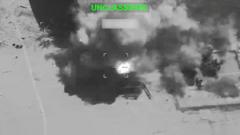
Trump Threatens Military Action in Response to Hormuz Incidents
United States President Donald Trump has issued a strong warning regarding Iran Strait of Hormuz attacks, stating that Washington will deliver immediate military consequences if Iranian forces continue targeting commercial vessels navigating through the vital shipping corridor. The declaration marks an escalation in tensions between the two nations over maritime security in one of the world's most critical trade routes.
The president's comments come amid growing concerns about the safety of international shipping passing through the strategic waterway, which handles approximately one-third of global maritime petroleum traffic. Trump's position signals a hardline stance on defending American interests and ensuring freedom of navigation in the region.
Scope of Potential Military Response
Trump has indicated that any future Iranian aggression against ships in the Strait of Hormuz would trigger a comprehensive military response targeting Iran's critical infrastructure. Specifically, the president referenced bridges and power generation facilities as potential targets of US military operations should provocation continue.
This explicit naming of infrastructure targets represents a significant escalation in rhetoric and demonstrates the seriousness with which the Trump administration views the situation. The inclusion of bridges and electrical power plants in the warning suggests a strategy aimed at dismantling Iran's essential services and reducing its military capability to conduct further operations.
Strategic Importance of the Strait of Hormuz
The Strait of Hormuz remains one of the most strategically important waterways globally, serving as a crucial chokepoint for energy exports. Any disruption to maritime traffic through this passage has immediate implications for global oil prices and international trade dynamics. The narrow corridor between Iran and Oman has been a flashpoint for regional conflicts and international tensions for decades.
The security situation in the Strait of Hormuz directly impacts energy markets worldwide, making Trump's warnings particularly significant for global economic stability. Oil-producing nations, shipping companies, and international trading partners monitor developments in the region closely due to their dependence on unobstructed passage through these waters.
Iranian Response and Regional Implications
Iran has maintained that it reserves the right to defend its territorial waters and national interests. However, Trump's explicit threats regarding infrastructure targets represent a dramatic escalation that could provoke further instability in an already volatile region. The Iranian government has historically viewed such military warnings as provocative actions that justify defensive measures.
The escalating rhetoric between Washington and Tehran reflects deeper geopolitical tensions rooted in their complex history. Regional powers, including Saudi Arabia and the United Arab Emirates, watch these developments with concern, given their own shipping interests and energy export dependencies on safe passage through the Strait of Hormuz.
International Community's Perspective
Global observers and international shipping organizations have expressed alarm at the rising tensions threatening maritime security. The United Nations and various maritime authorities have called for de-escalation and adherence to international law governing passage through international waterways.
European nations, China, Japan, and other major trading partners have indicated concerns about potential disruptions to their energy supplies and trade routes. The international community recognizes that military conflict in the Strait of Hormuz would have catastrophic consequences for the global economy and energy markets.
Military Preparations and Readiness
The Trump administration has made clear that the United States maintains significant military assets in the Persian Gulf region, ready to respond immediately to any Iranian aggression. Naval forces, air defense systems, and rapid reaction capabilities remain positioned to protect American interests and ensure freedom of navigation through the Strait of Hormuz.
This military posturing represents both a deterrent and a concrete demonstration of American resolve to back diplomatic warnings with military capability. The deployment of advanced naval vessels and aircraft demonstrates Washington's commitment to preventing Iranian forces from disrupting international maritime commerce.
Conclusion
Trump's stark warning regarding potential strikes on Iranian infrastructure underscores the heightened tensions in the Persian Gulf region. The president's explicit threats reflect serious concerns about maritime security and American strategic interests in one of the world's most critical waterways. As developments unfold, the international community watches closely for any signs of escalation or diplomatic breakthroughs that might reduce tensions surrounding Hormuz shipping operations.