
Tupac Shooting: Suspect Claims Nephew Fired Fatal Shots in 2008 Police Interview
Duane Davis allegedly told police in 2008 that his nephew fired the fatal shots in Tupac's murder. A recorded police interview was presented as evidence.
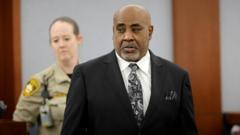
Tupac Murder: Key Suspect's Startling 2008 Confession Emerges
A pivotal moment in the Tupac Shakur homicide investigation unfolded in court when authorities presented a recorded police interview featuring Duane Davis, a central figure accused in the legendary rapper's death. During this critical 2008 interrogation, Davis reportedly made an astonishing revelation to detectives, claiming that his nephew was responsible for firing the fatal shots that ended Tupac's life in 1994.
The Recorded Interview Presented to Jurors
Prosecutors strategically introduced the audio recording of Davis's 2008 police interview directly to the jury, allowing them to hear the suspect's own words regarding the circumstances surrounding the shooting. This documented conversation between Davis and investigating officers became a cornerstone piece of evidence in establishing the sequence of events that led to Tupac's death on September 7, 1994, in Las Vegas.
The decision to present the recording rather than relying solely on officer testimony provided jurors with an unfiltered account of Davis's statements during the initial police questioning. This approach allowed the jury to assess the credibility and consistency of his claims about his nephew's alleged involvement in the fatal incident.
Understanding the Significance of the 2008 Confession
The timing of Davis's revelation in 2008 proved crucial to the investigation's progression. More than a decade after Tupac's murder shocked the music world and left fans seeking answers, law enforcement continued pursuing leads. Davis's admission regarding his nephew's participation in the shooting represented a breakthrough moment that could potentially unlock decades of mystery surrounding one of hip-hop's most notorious unsolved cases.
Investigators had long pursued numerous theories and suspects in connection with the drive-by shooting that killed Tupac while he was riding in a BMW with Death Row Records executive Suge Knight. The identification of Davis and his nephew as potential perpetrators marked a significant development in a case that had remained cold for years.
Duane Davis's Role in the Investigation
Duane Davis's connection to the Tupac murder case had been scrutinized for decades, but the 2008 police interview represented one of the first times he allegedly addressed his knowledge of the actual shooter. By attributing responsibility to his nephew, Davis positioned himself as a witness or peripheral figure rather than the direct perpetrator, though authorities later charged him with orchestrating the crime.
The nature of Davis's relationship with his nephew and their alleged involvement in gang-related activities in Las Vegas provided context for understanding how the shooting might have occurred. Family connections and street affiliations often played crucial roles in understanding the motivations and mechanics of high-profile homicides from that era.
Court Proceedings and Evidence Presentation
The courtroom presentation of the recorded 2008 police interview demonstrated the prosecution's reliance on documented evidence rather than conflicting eyewitness accounts. Audio recordings of police interviews provide juries with authentic material they can evaluate for consistency, tone, and apparent truthfulness. This methodology strengthens the prosecution's case by eliminating potential disputes about what was said during the original interrogation.
Prosecutors meticulously constructed their case by layering multiple forms of evidence, including witness testimony, forensic findings, and documented statements from suspects themselves. The recorded confession from Davis fit into this broader narrative of establishing who pulled the trigger and who orchestrated the attack on Tupac.
Impact on Tupac's Legacy and Justice
Nearly three decades after Tupac's assassination, the case's progression toward trial represented a momentous occasion for hip-hop history and criminal justice. Fans worldwide had waited decades for clarity on the circumstances surrounding the death of one of rap's most influential and controversial figures. The courtroom revelations offered potential closure to an investigation that had spawned countless conspiracy theories and speculation.
Tupac's murder had remained one of American popular culture's greatest unsolved mysteries, comparable to other high-profile celebrity deaths. The emergence of Davis and his alleged role in the crime—as revealed through the 2008 police recording—provided unprecedented access to potential answers about what transpired on that fateful September night in Las Vegas.
Investigating Complex Criminal Networks
The intricate web of relationships, gang affiliations, and criminal enterprises that investigators uncovered while pursuing leads in the Tupac murder case illustrated the complexity of crimes involving multiple participants. Understanding how various individuals contributed to planning, executing, or concealing the homicide required piecing together evidence from numerous sources across decades.
The 2008 police interview with Duane Davis represented just one component of an exhaustive investigation that ultimately led to charges against multiple individuals. This comprehensive approach to building a case against those allegedly responsible for Tupac's death reflected modern criminal investigation techniques and prosecutorial strategies.