
UK Emergency Stockpile Campaign Drives Bottled Water Sales Surge
UK government's Be Ready campaign sparks bottled water and tinned food sales surge. Retailers report jump in emergency supplies as households prepare for cyber-...
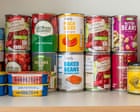
Bottled Water and Emergency Supplies Experience Unprecedented Demand
The bottled water sales surge has reached unprecedented levels across the United Kingdom following the government's recent emergency preparedness initiative. Retailers nationwide are reporting significant increases in consumer purchases of essential emergency items, with bottled water leading the charge among household staples. The surge reflects widespread public response to official guidance encouraging families to maintain adequate supplies for potential disruptions.
The government's Be Ready campaign, launched last week, has fundamentally shifted consumer behavior patterns. This initiative specifically targets household preparedness for emergencies lasting up to 72 hours, addressing concerns about infrastructure vulnerabilities and potential cyber-attacks that could disrupt essential services.
Retail Reports Show Dramatic Increases Across Multiple Categories
Major retailers have documented remarkable sales increases extending far beyond bottled water alone. Tinned food purchases have climbed sharply, with consumers prioritizing non-perishable items that offer extended shelf life. Wind-up radios and torches represent another category experiencing substantial demand growth, as households seek independent power sources during potential outages.
The diversity of purchasing patterns indicates consumers are taking a comprehensive approach to emergency preparation. Rather than focusing on single items, families are assembling complete emergency kits containing multiple essential categories. This holistic purchasing strategy demonstrates heightened awareness about potential risks and the need for diversified emergency supplies.
Government Guidance Shapes Public Emergency Preparedness Strategy
Official government recommendations have catalyzed this widespread consumer response to bottled water and other emergency supplies. The Be Ready campaign emphasizes the importance of household emergency planning, providing clear guidance about necessary items and appropriate stockpile durations. This structured approach has transformed abstract emergency concerns into concrete consumer actions.
The campaign specifically addresses two primary threat categories: extreme weather events and cyber-security incidents. Both scenarios present genuine infrastructure challenges that could temporarily disrupt water supply systems, power distribution, and food delivery networks. By encouraging 72-hour preparedness, the government provides a manageable framework for household planning without promoting excessive panic or unreasonable stockpiling.
Broader Implications for Retail and Infrastructure Planning
This bottled water sales surge phenomenon extends beyond simple retail metrics. The increased demand reflects genuine public concern about infrastructure resilience and government readiness for potential disruptions. Retailers have positioned themselves strategically to meet this demand, ensuring adequate stock levels of essential emergency items.
Supply chain considerations have become increasingly important as major retailers report sustained elevated demand. Distribution networks have adjusted to accommodate higher volumes of non-perishable goods, particularly bottled water and tinned food products. This demand surge has prompted manufacturers to evaluate production capacity and delivery schedules to prevent inventory shortages.
Consumer Behavior Transformation and Long-Term Trends
The Be Ready campaign has initiated lasting changes in consumer emergency preparedness attitudes. Households that previously avoided emergency planning are now actively purchasing essential supplies. This behavioral shift suggests sustained demand for bottled water and related emergency products beyond the initial campaign announcement period.
Market analysts anticipate that this heightened awareness will establish a new baseline for emergency supply demand. Consumers who complete initial 72-hour stockpiles may establish routine replenishment practices, creating predictable demand patterns for retailers. The normalization of emergency preparedness as a household responsibility could sustain elevated sales across multiple product categories indefinitely.
Expert Perspectives on Emergency Readiness
Industry specialists recognize the bottled water sales surge as a rational consumer response to legitimate infrastructure concerns. Cyber-attack vulnerabilities and extreme weather threats represent documented risks that justify household preparedness measures. The government's decision to communicate these risks transparently has enabled informed consumer decision-making.
Emergency management experts support the 72-hour preparedness framework as achievable and realistic. This timeframe represents sufficient duration for household autonomy during infrastructure disruptions while remaining practically manageable for most families. Bottled water constitutes a critical component of this preparedness strategy, as clean water access is essential for human survival and hygiene.
Practical Implications for UK Households
The Be Ready campaign provides actionable guidance for household emergency preparation beyond simple bottled water purchasing. Comprehensive emergency kits should include multiple supply categories addressing food, water, light, communication, and first aid needs. Wind-up radios enable access to emergency broadcasts without dependence on electrical power or battery availability.
Households implementing these recommendations create resilience against various potential disruption scenarios. Whether facing severe weather events lasting several days or cyber-incidents affecting regional infrastructure, prepared households can maintain essential functions independently. This self-sufficiency approach reduces pressure on emergency services during crisis periods and enables faster recovery across affected communities.